

Compare Hemorrhoid Treatment Costs
June 10, 2026
Anal Fissure Cream vs Surgery
June 14, 2026
That sharp, tearing pain during or after a bowel movement can stop your day cold. If you are searching for how to relieve fissure pain, the first priority is simple: reduce the spasm, protect the skin, and make bowel movements easier so the area can begin to heal.
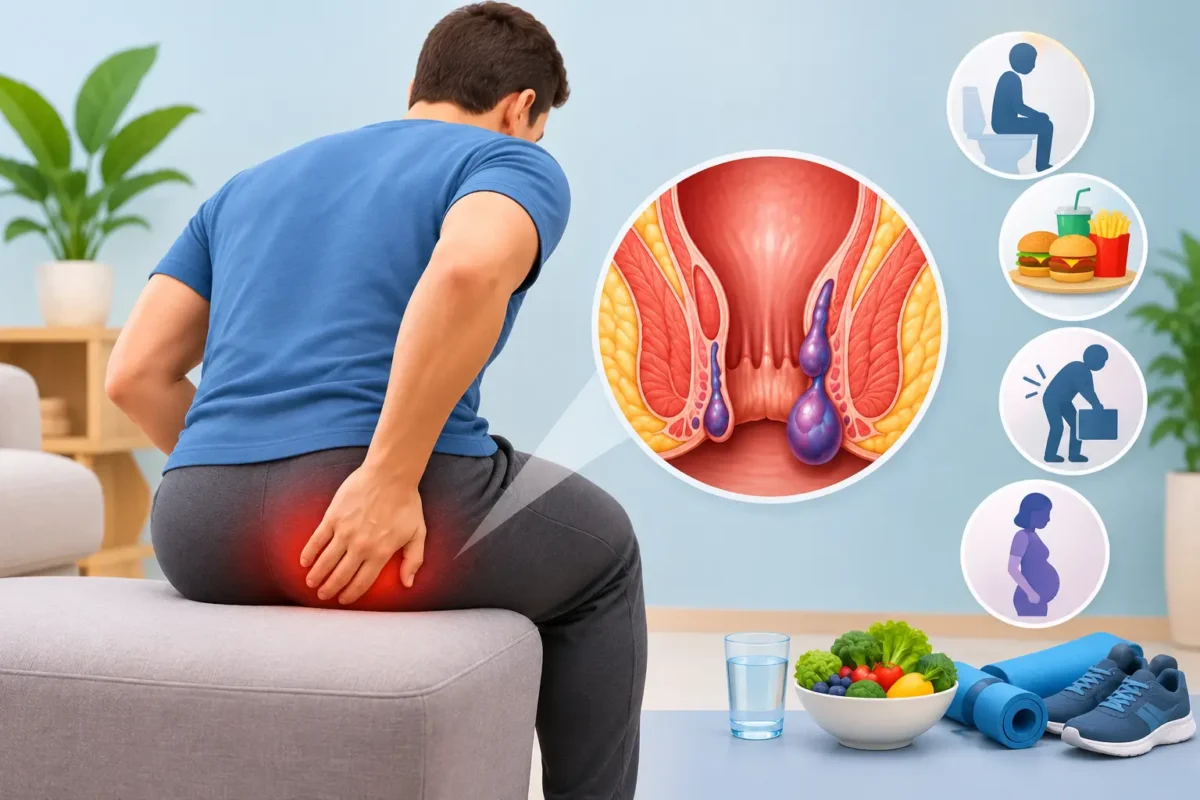
An anal fissure is a small tear in the lining of the anus. Even though the tear itself may be small, the pain can be intense because the area is highly sensitive and the internal anal sphincter often goes into spasm. That spasm reduces blood flow, which can slow healing and keep the cycle of pain going. This is why fissures can feel out of proportion to their size.
How to relieve fissure pain at home
For many people, the fastest relief comes from combining a few basic steps rather than relying on one product alone. Warm water, softer stools, less straining, and gentle local care usually work better together than any single remedy.
A warm sitz bath is often the most immediately soothing option. Sitting in a tub or basin of warm water for 10 to 15 minutes a few times a day, especially after bowel movements, can help relax the sphincter muscle and reduce pain. The water should feel warm, not hot. Hot water can irritate already sensitive tissue.
Keeping bowel movements soft is just as important. Hard stool can reopen the tear every time you go, while constipation and straining keep pressure high in the area. Drinking more water, increasing fiber gradually, and using a stool softener when needed can make a major difference. The goal is not diarrhea, which can also irritate the area, but soft, formed stool that passes with minimal effort.
Over-the-counter pain relief may help, depending on your medical history. Many adults can use acetaminophen or ibuprofen for short-term symptom control, but this depends on other conditions such as kidney disease, stomach ulcers, blood thinner use, or liver problems. Topical products can also be useful, although some are more helpful for hemorrhoids than fissures. If a cream causes burning or more irritation, stop using it.
Gentle hygiene matters. After a bowel movement, wiping aggressively can make the pain worse. Many patients do better using soft, unscented toilet tissue, damp cotton pads, or rinsing with warm water and then patting dry. Fragranced wipes and harsh soaps often create more irritation, not less.
Why fissure pain can keep coming back
One of the frustrating parts of fissures is that they may seem to improve for a few days and then flare again. That usually happens because the underlying problem has not fully changed. If the sphincter muscle remains tight or bowel movements are still hard, the tissue keeps getting stressed before it has time to heal.
This is also why willpower alone is not enough. Many patients try to “just be careful” for a week, but if constipation, dehydration, or straining continues, the fissure often stays active. In some cases, people also avoid bowel movements because they fear the pain, which can make stool harder and the next episode worse.
If symptoms have lasted more than a few weeks, or if the pain is severe enough to disrupt work, sleep, exercise, or normal routines, it may be time to move beyond home care. Persistent fissures often need targeted medical treatment to relax the muscle and support healing.
What helps a fissure heal faster
The most effective approach is usually focused on removing the triggers that keep the tear open. That means reducing constipation, lowering anal sphincter tension, and minimizing trauma during bowel movements.
Diet can help, but it needs to be practical. Aim for a steady intake of fiber from foods such as vegetables, fruit, beans, oats, and other whole grains. If you add too much fiber too quickly without enough water, bloating can get worse and stools may not improve. A gradual increase works better for most people.
Bathroom habits also matter more than many people realize. Do not sit on the toilet for long periods, and do not keep pushing if a bowel movement is not happening. Straining puts pressure on the fissure and surrounding tissue. It helps to go when the urge is there rather than waiting too long.
Physical tension can play a role too. Some patients unconsciously tighten the pelvic floor because they expect pain. That guarding response is understandable, but it can add to sphincter spasm. Warm baths and better pain control often help break that cycle.
When medication is needed for fissure pain
If home remedies are not enough, prescription treatment may provide better relief. Medical therapy is often designed to relax the internal anal sphincter, improve blood flow, and give the fissure a better chance to close.
This may include compounded topical medications that are more targeted than standard over-the-counter creams. These treatments are chosen based on symptoms, exam findings, and whether the fissure appears acute or chronic. The right option depends on the patient. Some people need a short course of medication and supportive care. Others need a more structured treatment plan because the fissure has become stubborn.
This is where specialized care matters. Anal pain is not always caused by a fissure, and bleeding is not always from hemorrhoids. A focused exam can confirm the diagnosis and rule out other causes, which is important when symptoms are severe, recurrent, or not responding as expected.
How to know when it is time to get treated
If you have severe pain with bowel movements, bright red bleeding on the tissue, and symptoms that keep returning, it is reasonable to get evaluated sooner rather than later. You do not need to wait until the pain becomes unbearable.
There are a few signs that home care may no longer be enough. One is ongoing pain for more than a few weeks. Another is a visible tear or recurring bleeding despite softer stools and warm baths. Pain that lasts for hours after a bowel movement is also common with fissures and can signal that the muscle spasm is keeping the area from healing.
You should also seek care if you are unsure whether the problem is a fissure, hemorrhoid, abscess, or something else. These conditions can overlap in symptoms, but they are treated differently. The right diagnosis can save time and prevent unnecessary discomfort.
For patients who want fast, non-surgical relief, office-based specialty care can often help without the disruption of a hospital setting. At Hemorrhoid Centers of America, treatment is designed around quick evaluation, focused symptom relief, and getting patients back to normal activity with as little downtime as possible.
What not to do when you have a fissure
A few common mistakes can make fissure pain worse. One is using harsh hemorrhoid products repeatedly without knowing whether the problem is actually a fissure. Some products sting or dry the skin, especially when used too often. Another is taking stimulant laxatives too frequently, which can lead to cramping or unpredictable bowel habits.
Ignoring hydration is another problem. Fiber without enough fluids often does not work the way people hope. The same goes for sitting for long stretches on the toilet with a phone or book. That habit increases pressure in the anorectal area and can aggravate both fissures and hemorrhoids.
Most of all, do not assume you have to simply live with it. Fissure pain can be intense, but it is treatable, and many patients improve with the right plan.
A practical path forward
If you are trying to figure out how to relieve fissure pain, start with warm baths, softer stools, gentler hygiene, and less straining. Those steps often calm the area and reduce the repeated injury that keeps pain going. But if symptoms are lingering, severe, or returning again and again, that is usually a sign the fissure needs more than home care.
You should not have to organize your day around pain after every bowel movement. Expert treatment can be straightforward, discreet, and focused on relief without sending you down a surgical path before it is truly necessary. Getting evaluated early can make the process easier and help you get back to normal faster.