

Hemorrhoid Treatment for Busy Professionals
November 19, 2026
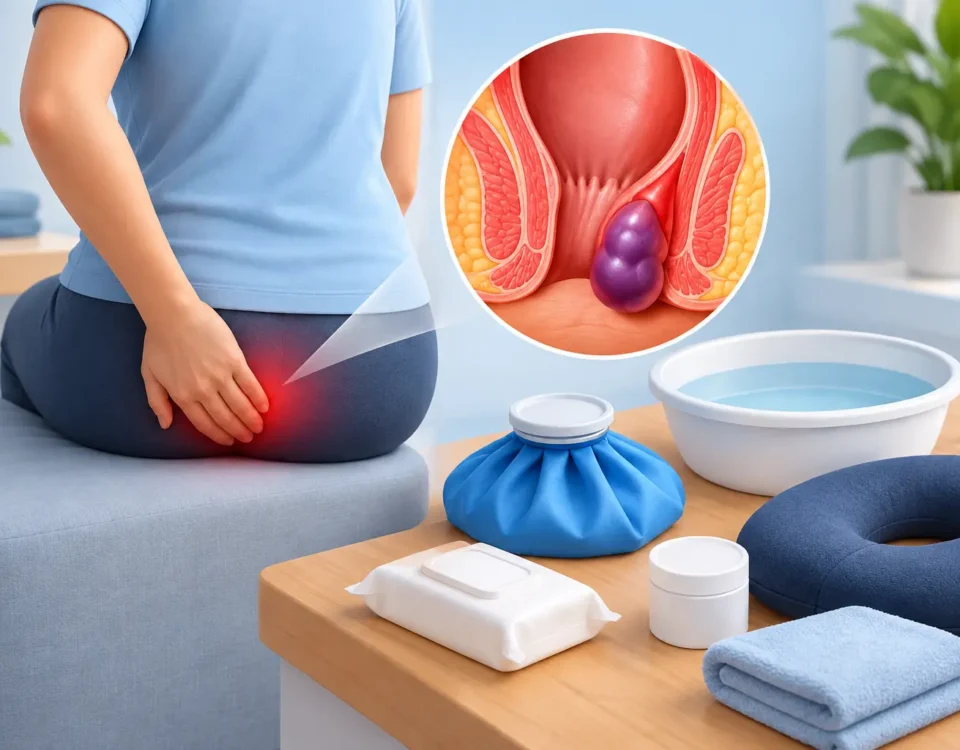
What to Do in a Thrombosed Hemorrhoid Case
November 23, 2026
Rectal pain, bleeding, itching, or swelling can make a normal workday feel impossible. When symptoms flare, the question is often urgent care versus hemorrhoid specialist: where can you get the right help quickly, without an unnecessary trip to the emergency room or a long recovery?
Urgent care can be a reasonable first stop for certain symptoms, especially when you are unsure what is causing them or need prompt evaluation outside regular office hours. But for suspected hemorrhoids or anal fissures, a focused specialist can often provide a more direct path to diagnosis and lasting non-surgical relief.
Urgent Care Versus Hemorrhoid Specialist: The Core Difference
Urgent care is designed to evaluate a wide range of non-life-threatening health concerns. A clinician may review your symptoms, perform a basic examination, rule out obvious concerns, and recommend conservative care such as hydration, fiber, sitz baths, stool softeners, or over-the-counter creams. If your symptoms are severe or persistent, they may refer you to a gastroenterologist, colorectal provider, or specialist clinic.
That broad approach is valuable when the cause of rectal symptoms is unclear. Blood in the stool, for example, should not automatically be assumed to be hemorrhoids. A careful medical evaluation matters because bleeding, pain, and bowel changes can have several possible causes.
A hemorrhoid specialist, however, focuses specifically on conditions affecting the anal and rectal area, including internal and external hemorrhoids and anal fissures. Rather than simply advising you to monitor symptoms, a specialist can identify the type and severity of the problem and discuss treatment options designed for that condition.
For patients whose symptoms are clearly consistent with hemorrhoids or fissures, that focused expertise can mean fewer detours and faster relief.
When Urgent Care Makes Sense
Urgent care is often appropriate when symptoms are new, mild to moderate, or happening at a time when you cannot reach your regular doctor. It can also be useful if you have concerns that need prompt triage, such as irritation after constipation, a painful lump, or a small amount of bright red blood on toilet paper.
An urgent care clinician may help you manage discomfort and decide whether you need follow-up care. This is particularly helpful if you have never had rectal symptoms before and want an initial assessment rather than trying to self-diagnose.
Still, urgent care has limits. Most centers are not built around office-based hemorrhoid procedures. They may not perform detailed anorectal evaluations, hemorrhoid banding, or condition-specific treatment planning during the same visit. In many cases, the visit ends with temporary symptom management and a referral.
That does not make urgent care the wrong choice. It simply means it may be the first step rather than the last one.
When symptoms require emergency care
Some symptoms should not wait for urgent care or a specialty appointment. Go to an emergency department or call 911 for heavy or ongoing rectal bleeding, fainting, severe weakness, black or tar-like stools, chest pain, trouble breathing, or severe abdominal pain. These signs can point to a problem beyond hemorrhoids and need immediate evaluation.
You should also seek prompt medical care for fever, increasing redness, drainage, or rapidly worsening pain near the anus. These symptoms may indicate an infection or abscess, which requires a different treatment approach.
When a Hemorrhoid Specialist Is the Better Next Step
If you have recurring bleeding, persistent itching, swelling, prolapse, or pain that has not improved with home care, a specialist visit is often more efficient. The same is true when symptoms keep interfering with work, exercise, sleep, travel, or sitting comfortably.
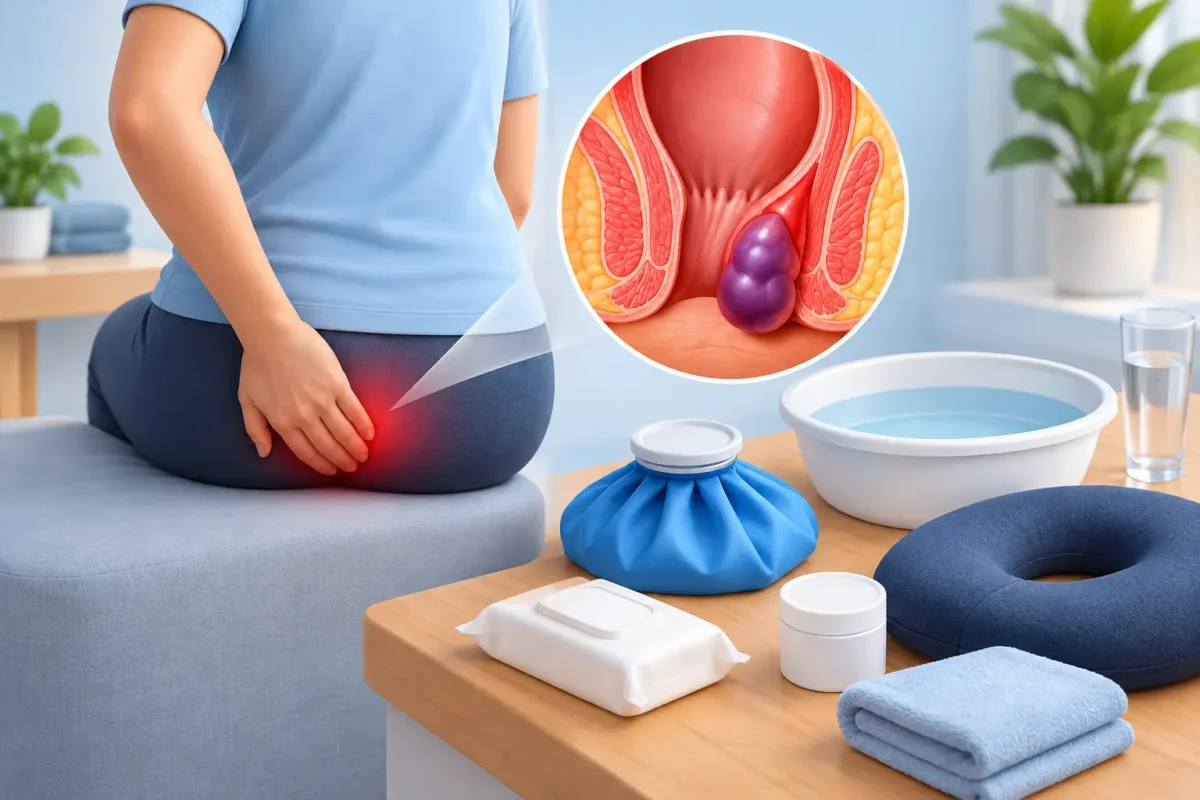
A hemorrhoid specialist can determine whether you are dealing with internal hemorrhoids, external hemorrhoids, an anal fissure, or another issue that needs a different plan. That distinction matters. Internal hemorrhoids may cause painless bleeding or prolapse, while fissures often cause sharp pain during or after bowel movements. Treating the wrong condition with generic creams can delay relief.
Specialized care is especially useful for people who have already tried fiber, water, topical products, and lifestyle adjustments without meaningful improvement. Those measures can be helpful, but they do not always resolve enlarged internal hemorrhoids or a fissure that has become chronic.
At a focused clinic, treatment may include custom medication protocols or office-based procedures such as hemorrhoid banding. Banding is a non-surgical treatment commonly used for qualifying internal hemorrhoids. It is performed in an office setting, does not require traditional surgery or general anesthesia, and many patients return to usual daily activity the same day.
The right option depends on your diagnosis, symptoms, medical history, and the location and grade of the hemorrhoid. A credible provider will explain what treatment is appropriate and what results you can reasonably expect.
What to Expect From a Specialist Visit
Many patients delay an appointment because they expect an uncomfortable, hospital-style experience. In reality, a focused hemorrhoid evaluation is typically private, direct, and designed to identify the source of your symptoms efficiently.
Your provider will ask about bleeding, pain, bowel habits, constipation, diarrhea, medications, prior treatments, and any changes in your health. They may perform an examination to evaluate the area and determine whether hemorrhoids or a fissure are likely responsible. If your symptoms suggest another condition, they can recommend appropriate additional evaluation.
The benefit of seeing a dedicated provider is not simply access to a procedure. It is the ability to move from uncertainty to a clear plan. Instead of cycling through temporary products for weeks or months, you can learn whether non-surgical treatment is appropriate for you.
Hemorrhoid Centers of America focuses on this type of office-based care, with board-certified surgeons and treatment pathways designed to address common hemorrhoid and fissure symptoms without unnecessary surgery. For many patients, that means getting care from a team that handles these conditions every day rather than trying to fit a specialized concern into a general urgent care visit.
Consider Convenience, but Do Not Ignore Persistent Symptoms
Choosing between urgent care and a hemorrhoid specialist often comes down to timing and certainty. If you need same-day guidance and are unsure what is happening, urgent care can provide a useful assessment. If hemorrhoids or a fissure are likely, or if symptoms have continued despite home treatment, specialty care may save time and reduce the chance of repeated visits.
Do not let embarrassment make the decision for you. Hemorrhoids and anal fissures are common medical conditions, and clinicians who treat them regularly have heard every version of these symptoms before. You do not need to minimize pain, hide bleeding, or wait until discomfort becomes disruptive.
A prompt evaluation can provide reassurance when symptoms are minor and a practical treatment plan when they are not. Relief often starts with choosing care that matches the problem, so you can spend less time managing symptoms and more time getting back to your routine.