

How to Heal Anal Fissure Fast
May 5, 2026
Best Doctor for Hemorrhoids: Who to See
May 9, 2026
Bright red blood on toilet paper tends to get your attention fast. For many adults, that moment starts the search for a guide to internal hemorrhoid treatment that is clear, practical, and grounded in real medical care – not guesswork.
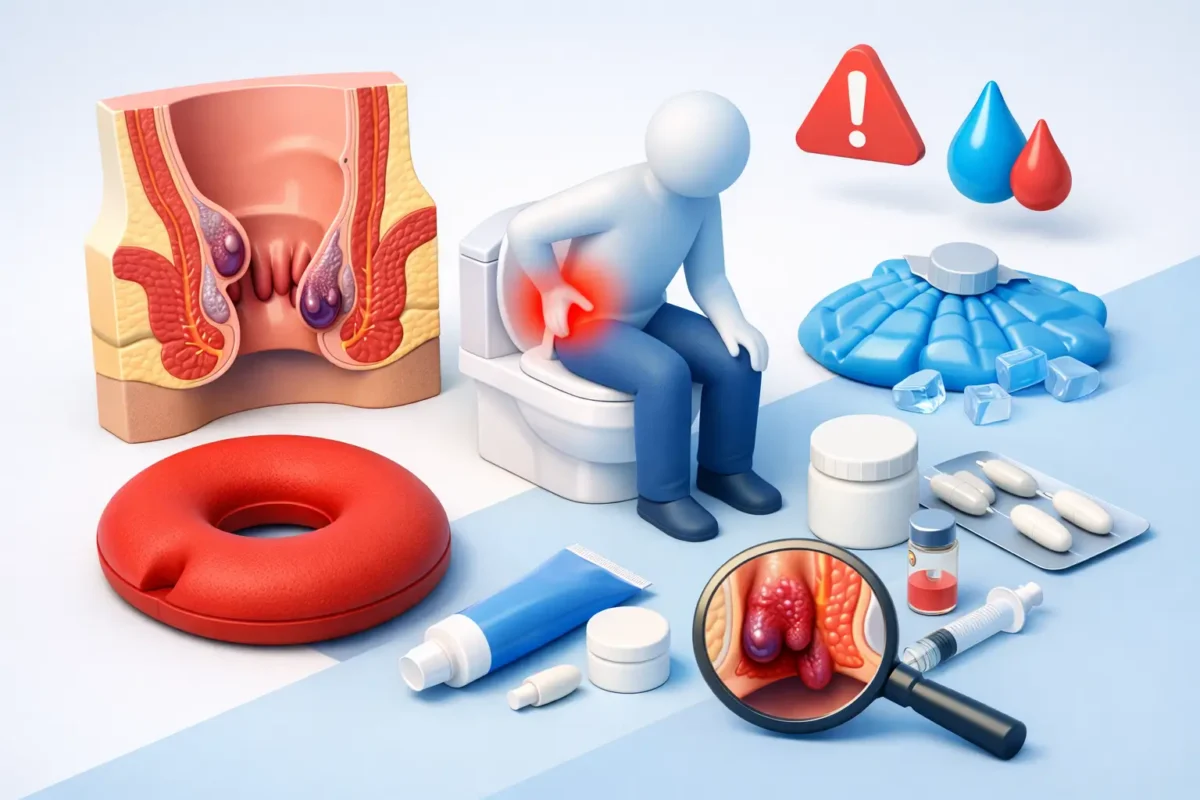
Internal hemorrhoids are swollen veins inside the rectum. They often cause bleeding, pressure, irritation, or a feeling that something is not quite right after a bowel movement. Some people have no pain at all because internal hemorrhoids form above the area with the most pain-sensitive nerves. Others notice discomfort when the hemorrhoid prolapses, meaning it pushes outward during bowel movements.
The good news is that effective treatment is available, and surgery is not the first answer for most patients. In many cases, symptoms improve with targeted changes, medication, or a brief in-office procedure that does not require anesthesia or a long recovery.
What internal hemorrhoids feel like
Symptoms can vary more than most people expect. Bleeding is one of the most common signs, usually seen as bright red blood in the bowl or on toilet paper. Some patients also describe itching, moisture, swelling, pressure, or tissue that seems to bulge and then go back in.
Internal hemorrhoids are usually grouped by severity. Smaller hemorrhoids may bleed without prolapsing. Others prolapse during bowel movements and go back in on their own. More advanced cases may need to be pushed back in manually, and some remain prolapsed. That grading matters because treatment that works well for mild disease may not be enough for larger hemorrhoids.
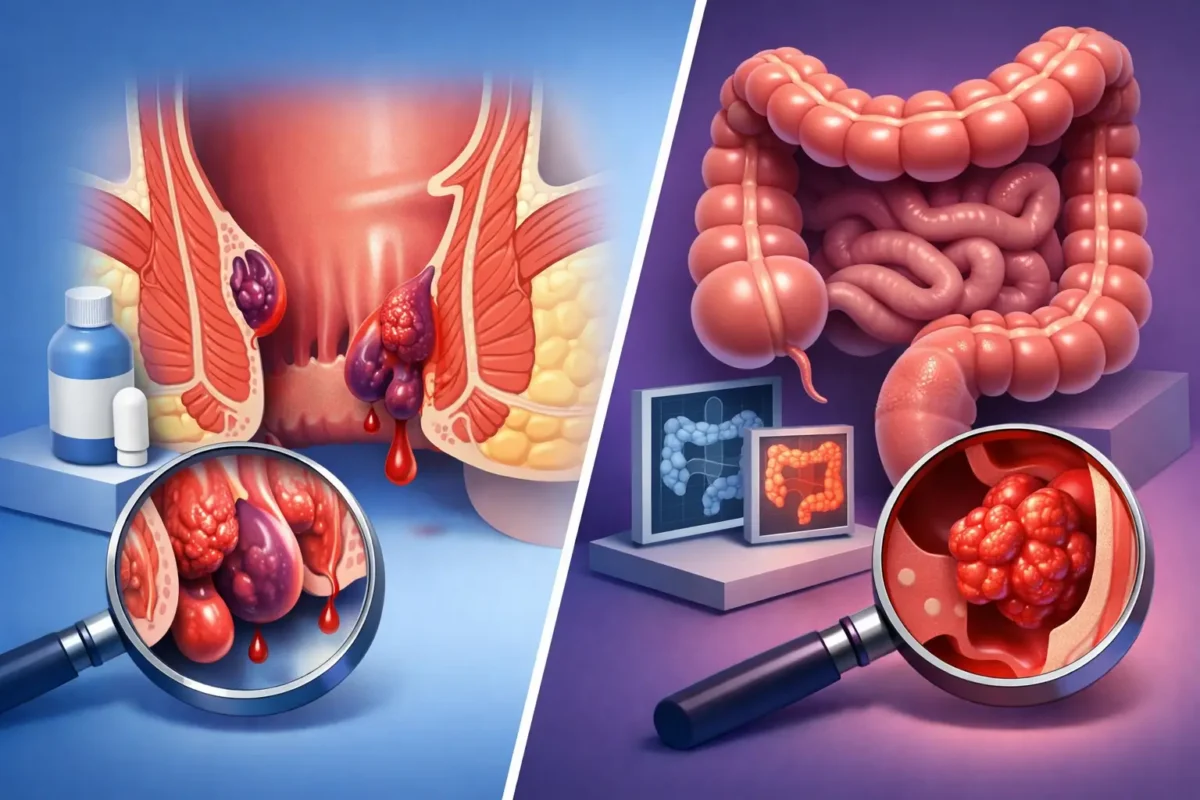
Not every rectal symptom is caused by hemorrhoids. Anal fissures, polyps, inflammatory conditions, and more serious causes of bleeding can look similar at first. That is one reason an accurate exam matters, especially if symptoms are new, recurrent, or getting worse.
A practical guide to internal hemorrhoid treatment
The right treatment depends on symptom severity, how long the problem has been going on, whether there is prolapse, and how much it is affecting daily life. Someone with occasional mild bleeding may start with conservative care. Someone who has already tried creams, fiber, and hydration without relief may be a better candidate for office-based treatment.
Home treatment can help, but it has limits. Increasing fiber and fluid intake often reduces straining, which lowers pressure on hemorrhoidal veins. Stool softening can also help if constipation is part of the problem. Warm sitz baths may ease irritation, and some topical products can reduce temporary discomfort.
Those steps are useful, but they do not always resolve the underlying issue. That is the trade-off. Conservative care is simple and inexpensive, but if symptoms keep returning, the problem may need a more definitive approach.
When home care may be enough
If bleeding is light, symptoms are recent, and prolapse is minimal or absent, a short trial of home care may make sense. The key is consistency. Fiber does not help much if it is used for two days and then forgotten. Bathroom habits matter too. Spending too long on the toilet and straining repeatedly can keep hemorrhoids irritated.
Still, home care should not turn into months of delay. Ongoing bleeding, frequent flare-ups, or tissue prolapse usually means it is time for a medical evaluation.
When office treatment makes more sense
Many patients seek care after over-the-counter products stop helping. That is common. Creams may calm symptoms for a while, but they often do not fix a hemorrhoid that continues to bleed or prolapse.
For internal hemorrhoids, one of the most effective non-surgical options is hemorrhoid banding. During this office-based procedure, a provider places a small band at the base of the internal hemorrhoid. This cuts off blood flow to the targeted tissue, which then shrinks and falls away over time. Because the treatment is performed in the area with fewer pain-sensitive nerves, most patients tolerate it very well.
For the right patient, banding offers a strong balance of effectiveness and convenience. It is fast, does not require hospital-based surgery, and typically allows patients to return to normal activities quickly. That said, not every hemorrhoid is treated the same way. The number of bands needed, the timing of treatment, and whether medication is used alongside the procedure all depend on the exam findings.
What to expect during diagnosis
People often put off care because they expect a complicated or embarrassing process. In a specialized setting, evaluation is typically straightforward and focused. The provider will review symptoms, ask about bleeding, bowel habits, and prior treatments, and perform an exam to identify the source of the problem.
This part matters. A patient may assume they have hemorrhoids and actually be dealing with a fissure, or both conditions at once. Treatment works best when it is tailored to the actual cause of symptoms rather than a self-diagnosis.
A focused hemorrhoid practice can be especially helpful here because the entire visit is built around identifying and treating anorectal conditions efficiently. At Hemorrhoid Centers of America, that means patients are evaluated by board-certified surgeons who specialize in non-surgical treatment pathways designed to relieve symptoms without unnecessary surgery.
Does internal hemorrhoid treatment hurt?
This is often the first question patients want answered, and it is a fair one. The honest answer is that it depends on the treatment and on the hemorrhoid itself.
Mild internal hemorrhoids may improve with fiber, hydration, and medication with little discomfort beyond the symptoms already present. Office procedures such as banding usually involve pressure or cramping rather than significant pain, and most patients are able to resume normal activity the same day. If a hemorrhoid is prolapsed or if there is a second condition such as an anal fissure, the treatment plan may need to be adjusted to keep recovery manageable.
The larger point is that modern hemorrhoid care is often far less disruptive than people fear. Many adults delay treatment because they imagine a hospital, anesthesia, and days away from work. For many internal hemorrhoids, that is simply not the reality.
Recovery and results
Recovery depends on the severity of the hemorrhoids and the treatment used. With conservative care, improvement may be gradual and tied closely to bowel habit changes. With office treatment, patients often notice that bleeding, irritation, or prolapse begins to improve as the treated tissue shrinks.
The timeline is not always immediate. Some people feel better quickly, while others improve over a series of visits. That does not mean the treatment is failing. It often reflects the fact that hemorrhoids can develop over time and may need staged care for the best outcome.
Long-term results also depend on prevention. Even after successful treatment, persistent straining, chronic constipation, prolonged sitting on the toilet, and low-fiber diets can contribute to recurrence. A good treatment plan addresses both the current hemorrhoid and the habits that keep the area under pressure.
When to stop waiting
Rectal bleeding should never be ignored just because hemorrhoids are common. If you are seeing blood repeatedly, feeling a bulge, dealing with irritation that keeps coming back, or changing your routine around the discomfort, it is time to get evaluated.
You should also seek prompt care if bleeding is heavy, symptoms appear suddenly, or pain is significant. Internal hemorrhoids are often manageable without surgery, but that starts with confirming the diagnosis and matching treatment to the severity of the problem.
Choosing the right care for internal hemorrhoids
A good guide to internal hemorrhoid treatment should do more than list remedies. It should help you separate temporary symptom relief from treatment that actually addresses the source of the problem.
If your symptoms are mild and recent, home care may be a reasonable first step. If you have already tried that path and are still dealing with bleeding, prolapse, or recurring flare-ups, office-based treatment may offer faster and more reliable relief. The advantage of specialized care is not just the procedure itself. It is the ability to get an accurate diagnosis, a focused treatment plan, and a path back to normal life without turning a common condition into a much bigger ordeal.
You do not need to keep managing around hemorrhoid symptoms and hoping they settle down on their own. The right treatment is often simpler, quicker, and less disruptive than patients expect.