
Are Fissures Dangerous? When Pain Needs Care
October 30, 2026
Hemorrhoid Pain Causes and Relief Options
November 3, 2026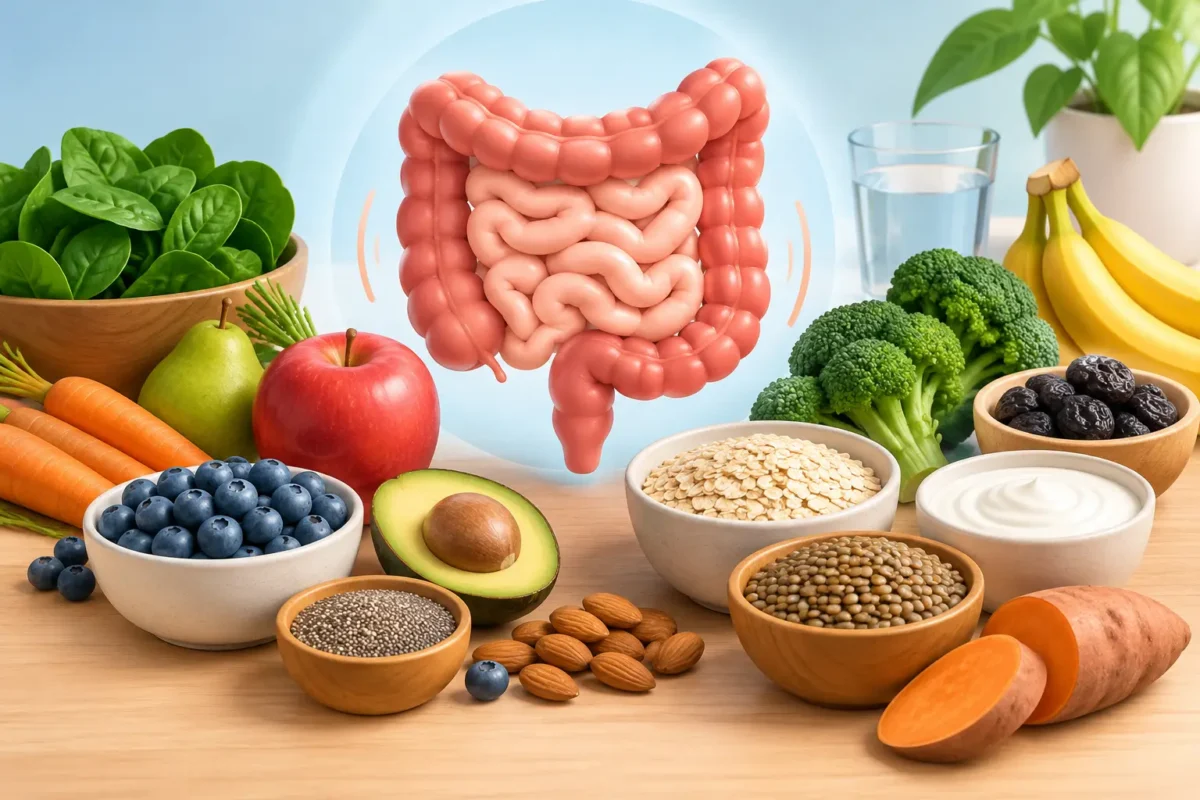
A fissure can make a normal bowel movement feel anything but normal. The best foods for fissures are not a quick cure, but they can make stools softer, reduce straining, and help interrupt the painful cycle that keeps a tear from healing. For many patients, the goal is simple: have a bowel movement that passes easily, without pushing or reopening sensitive tissue.
Diet works best as part of a complete care plan. If pain is severe, bleeding continues, or symptoms have lasted more than a few weeks, specialized treatment may be needed to help the fissure heal. You do not need to simply wait it out or struggle through painful bowel movements.
Why Food Matters When You Have an Anal Fissure
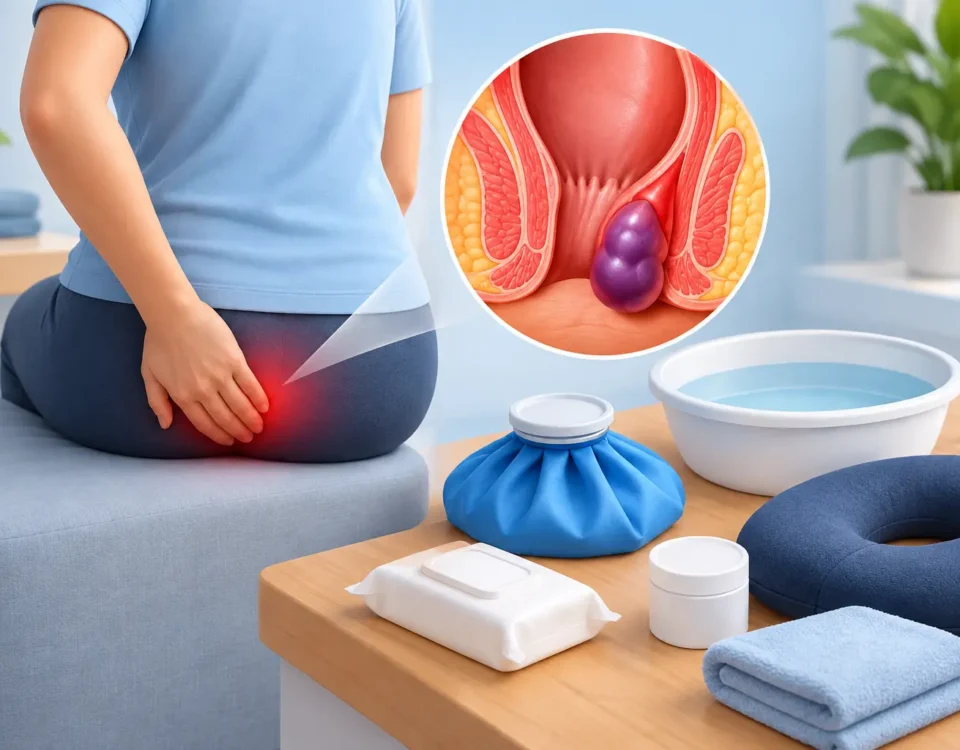
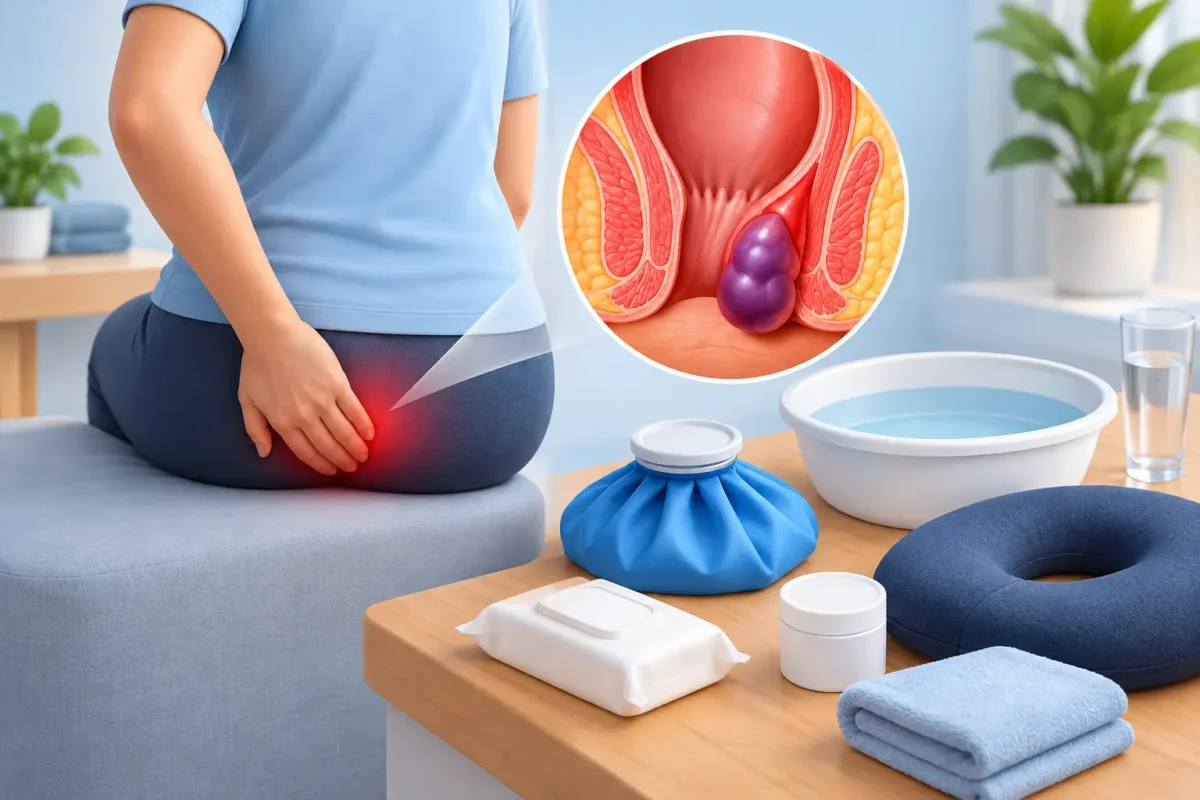
An anal fissure is a small tear in the lining of the anal canal. It commonly develops after passing a hard or large stool, but frequent loose stools can also irritate the area. Once a fissure is present, pain may cause the muscles around the anus to tighten. That tightening can reduce blood flow to the tissue and make healing more difficult.
Food cannot relax those muscles on its own or repair every fissure. What it can do is reduce one of the most common triggers: constipation and straining. A diet that supports regular, formed, easy-to-pass stools gives the injured area a better chance to recover.
The right approach depends on your current bowel pattern. Someone with hard, infrequent stools usually needs more fiber and fluids. Someone dealing with diarrhea may need to identify irritating foods and focus on gentle, stool-normalizing choices instead of adding large amounts of fiber all at once.
Best Foods for Fissures and Softer Stools
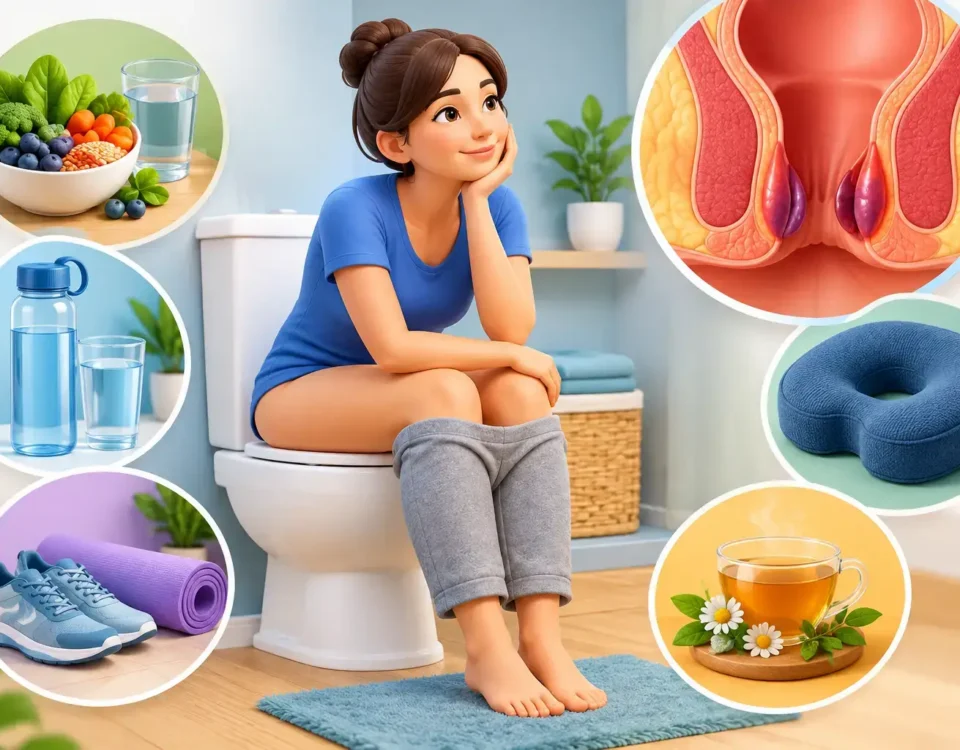
The most helpful foods tend to be high in fiber, water, or both. Fiber adds bulk and holds water in the stool, which can make bowel movements more predictable and easier to pass. Adults generally need roughly 25 to 38 grams of fiber daily, but sudden changes can cause gas, cramping, or bloating. Increase it gradually over several days and drink enough water as you do.
Fruits That Add Fiber Without Feeling Heavy
Pears, apples with the skin, berries, oranges, kiwi, and prunes are practical choices for many people with constipation-related fissures. Prunes are especially useful because they provide fiber along with sorbitol, a naturally occurring sugar alcohol that can help draw water into the bowel.
Try adding fruit to breakfast or using it as an afternoon snack rather than relying on a large serving all at once. If citrus or acidic foods seem to worsen burning after a bowel movement, choose less acidic options such as pears, bananas, or melon. Symptoms vary, and your own tolerance matters.
Vegetables, Beans, and Whole Grains
Cooked vegetables can be easier to tolerate than raw salads when you are already bloated or uncomfortable. Broccoli, carrots, spinach, sweet potatoes, squash, peas, and green beans are all useful sources of fiber. A baked sweet potato with the skin, for example, can support regularity without requiring a major change to your routine.
Beans, lentils, chickpeas, oats, barley, brown rice, and whole-grain bread also help increase daily fiber. They are effective, but introduce them slowly if your diet has been low in fiber. A large bowl of beans may be nutritious, but it is not always comfortable for someone who is already experiencing rectal pressure or gas.
Seeds and Other Gentle Fiber Additions
Ground flaxseed and chia seeds can be simple additions to oatmeal, yogurt, or smoothies. Because they absorb liquid, they should be paired with adequate water. Psyllium-based fiber supplements may also be helpful for some patients, particularly when getting enough fiber through meals is difficult.
A supplement is not automatically better than food. Whole foods also provide fluids, nutrients, and variety. Still, a measured fiber supplement can be a practical option for busy adults who need a more consistent routine. Start with a low dose and adjust based on stool consistency and comfort.
Fluids That Help Fiber Do Its Job
Fiber without enough fluid can make constipation worse. Water is the most dependable choice. Many people do well by drinking regularly throughout the day and having a glass of water with meals, rather than trying to catch up late at night.
Warm liquids, including decaffeinated tea or warm water in the morning, may help stimulate a bowel movement for some people. Coffee can have that effect too, but it may worsen urgency, loose stools, or irritation in others. If coffee sends you rushing to the bathroom or causes repeated loose bowel movements, cutting back may help protect a healing fissure.
Foods and Habits That Can Make Fissure Symptoms Worse
No single food causes every fissure, and restrictive diets are rarely necessary. The concern is whether a food pattern contributes to hard stools, dehydration, diarrhea, or repeated irritation.
Highly processed foods are often low in fiber and easy to overeat. Frequent meals built around white bread, chips, pastries, fast food, and large amounts of cheese may contribute to constipation in some people. Alcohol can be dehydrating, especially when it replaces water. Heavy intake of spicy foods may not cause a fissure, but it can increase burning during bowel movements for sensitive patients.
Diarrhea deserves equal attention. If stools are loose or frequent, temporarily limit foods and drinks that clearly worsen urgency, such as excess caffeine, alcohol, greasy meals, sugar alcohols, or very spicy foods. Do not assume that more fiber is always the answer. Soluble fiber from oats, bananas, applesauce, and psyllium may help firm loose stools, while large amounts of bran or raw vegetables can be too stimulating for some people.
A Simple Day of Eating for Fissure-Friendly Regularity
A realistic plan might begin with oatmeal topped with berries and ground flaxseed, plus water. Lunch could be a grain bowl with brown rice, cooked vegetables, and beans or chicken. For dinner, choose a baked sweet potato, fish or another lean protein, and cooked greens. A pear, kiwi, or a few prunes can make an easy snack.
This is not a prescription, and it does not need to be perfect. The more useful question is whether your meals help you have a soft, formed bowel movement without straining. Keeping a brief food and symptom note for a week can reveal patterns, particularly if constipation alternates with loose stools.
When Diet Is Not Enough for a Fissure
Dietary changes can reduce strain, but a chronic fissure often needs more than fiber and hydration. A fissure that persists may involve ongoing muscle spasm, reduced blood flow, or scar tissue that prevents the tear from closing. Continued sharp pain during or after bowel movements, rectal bleeding, or a visible tear should be evaluated rather than self-treated indefinitely.
It is also possible to mistake other conditions for a fissure. Hemorrhoids, skin irritation, inflammatory bowel disease, infections, and other concerns can cause pain or bleeding. A focused examination provides clarity and allows treatment to match the cause of your symptoms.
At Hemorrhoid Centers of America, board-certified providers focus on non-surgical treatment pathways for anal fissures and hemorrhoid symptoms. Prompt evaluation can help you move beyond trial and error, often without the disruption of traditional surgery.
Food choices can make each bowel movement less traumatic, and that is a meaningful part of healing. If you are still planning your day around pain, avoiding the bathroom, or seeing blood despite making diet changes, it is time to seek care that can address the fissure itself.