
How Anal Fissure Medication Works to Ease Pain
July 10, 2026
How Specialists Treat Recurrent Hemorrhoids
July 14, 2026
A sharp, tearing pain during a bowel movement can make even a few minutes in the bathroom feel overwhelming. If you are seeing bright red blood on the toilet paper or feeling pain that lingers for hours afterward, you may be asking: can a fissure heal without surgery? In many cases, yes. Most anal fissures can improve with the right non-surgical care, especially when treatment begins before the problem becomes chronic.
An anal fissure is a small tear in the lining of the anal canal. It is common, painful, and often mistaken for hemorrhoids because both conditions can cause bleeding and discomfort. The good news is that surgery is not usually the first step. A focused treatment plan can reduce pain, help the tear heal, and make bowel movements easier without the downtime associated with traditional surgery.
Can a Fissure Heal Without Surgery?
An acute fissure – one that has been present for a short time – often heals without surgery when the cycle of hard stools, straining, and muscle spasm is interrupted. The internal anal sphincter, a muscle just inside the anus, can tighten in response to pain. That tightening reduces blood flow to the area, making it harder for the tear to heal and causing more pain with the next bowel movement.
Non-surgical treatment is designed to break that cycle. The goal is not simply to cover up symptoms for a day or two. Effective care focuses on keeping stools soft, reducing irritation, relaxing the muscle spasm when needed, and allowing the tissue to repair.
Healing time varies. Some new fissures improve within a few weeks. Others take longer, particularly when constipation continues, diarrhea is frequent, or the fissure has been present for more than six to eight weeks. A fissure that does not heal on its own is not necessarily headed for surgery, but it does deserve a professional evaluation and a more targeted treatment plan.
Why Some Fissures Do Not Heal on Their Own
Many patients have tried fiber supplements, stool softeners, ointments, or warm baths before seeking care. Those measures can be helpful, but they may not be enough when pain and muscle spasm are significant. Continuing to strain, delaying bowel movements because of fear of pain, or having recurring loose stools can repeatedly reopen the tear.
Chronic fissures may also develop changes at the site, such as a small skin tag or thickened tissue. These findings do not mean you have done anything wrong. They simply suggest the fissure has been present long enough that basic home care may no longer be sufficient.
The location and appearance of the tear also matter. Most fissures occur in predictable areas. A fissure in an unusual location, multiple tears, or symptoms accompanied by abdominal pain, unexplained weight loss, fever, or changes in bowel habits may require additional evaluation to rule out another cause.
Non-Surgical Treatment Options That Can Help
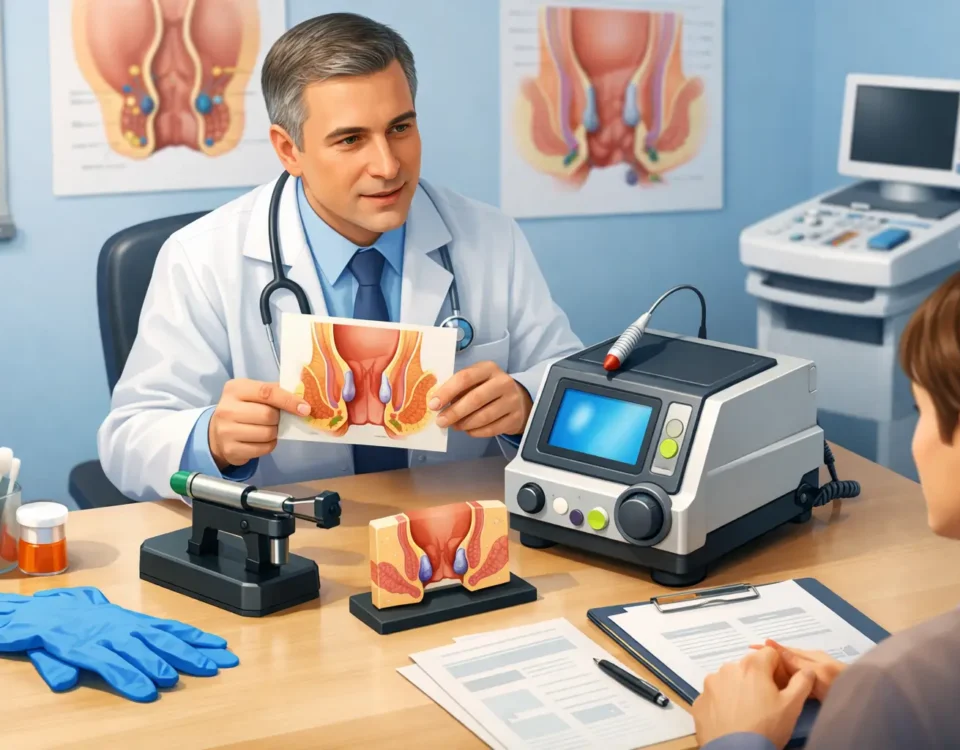
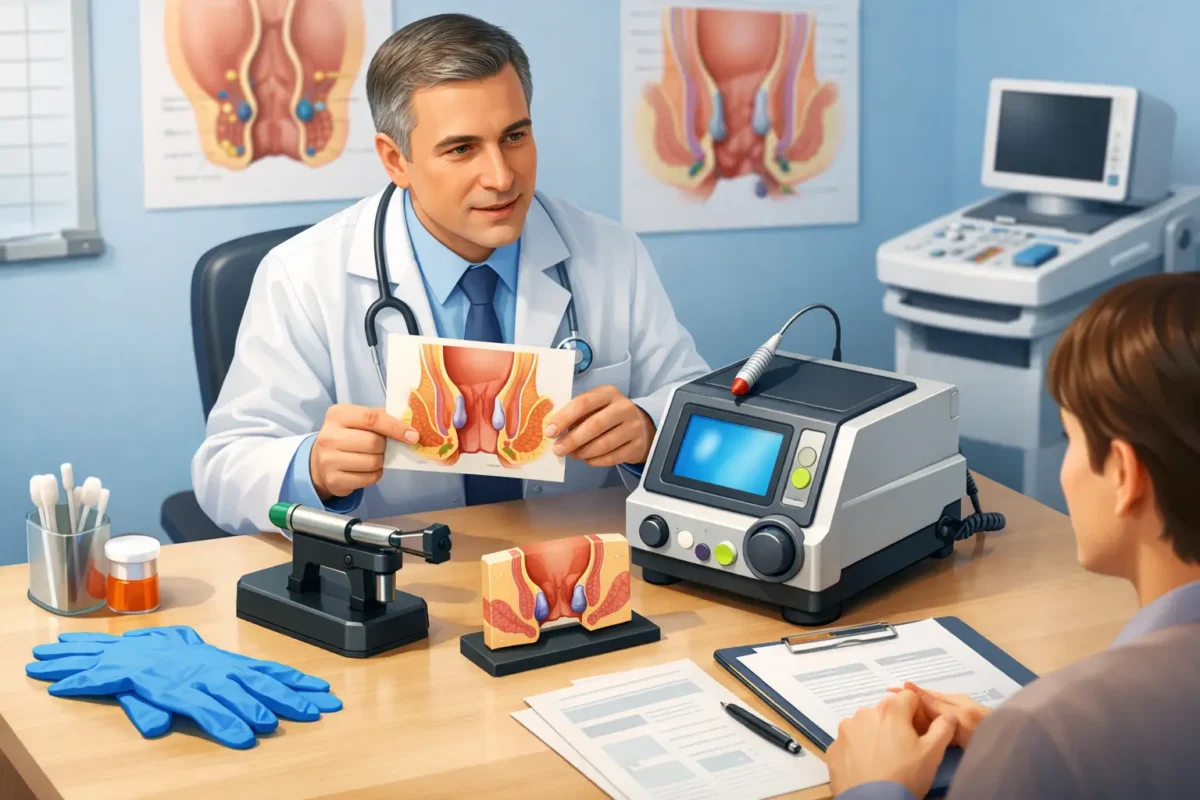
The right treatment depends on how long symptoms have been present, how severe the pain is, and whether the condition is truly a fissure rather than hemorrhoids, an abscess, or another source of rectal bleeding. A specialized exam can provide clarity quickly and discreetly.
For a new fissure, providers often begin with measures that make bowel movements gentler. This may include increasing dietary fiber gradually, drinking enough fluids, using a stool-softening regimen when appropriate, and avoiding prolonged straining on the toilet. A warm sitz bath can relax the area temporarily and ease discomfort after a bowel movement.
Prescription topical medications may be recommended for fissures that are more painful or slow to heal. These medications are formulated to relax the internal muscle and improve blood flow to the tear. They are different from many over-the-counter hemorrhoid creams, which may soothe irritation but do not always address the underlying spasm that keeps a fissure from healing.
Some patients benefit from an office-based treatment pathway when medication and bowel habit changes have not provided enough relief. The appropriate option depends on the diagnosis and the patient’s medical history. The advantage of seeing a provider who treats anorectal conditions every day is that care can be matched to the actual cause of the pain rather than relying on guesswork.
What You Can Do at Home While Healing
Home care works best when it is consistent. Aim for stools that are soft and formed, not hard and dry but not loose and irritating either. If you increase fiber, do so gradually and drink more water along with it. A sudden large increase in fiber without enough fluid can cause bloating or constipation for some people.
Try not to postpone a bowel movement when you feel the urge. Waiting can allow stool to become harder, which can make the next bowel movement more painful. At the same time, avoid sitting on the toilet for long periods or pushing forcefully. Give yourself time, but do not strain.
Gentle hygiene can also make a difference. Use water or unscented, alcohol-free wipes if dry toilet paper is irritating, and pat the area dry rather than rubbing. Avoid fragranced products, harsh soaps, and creams that burn or worsen irritation.
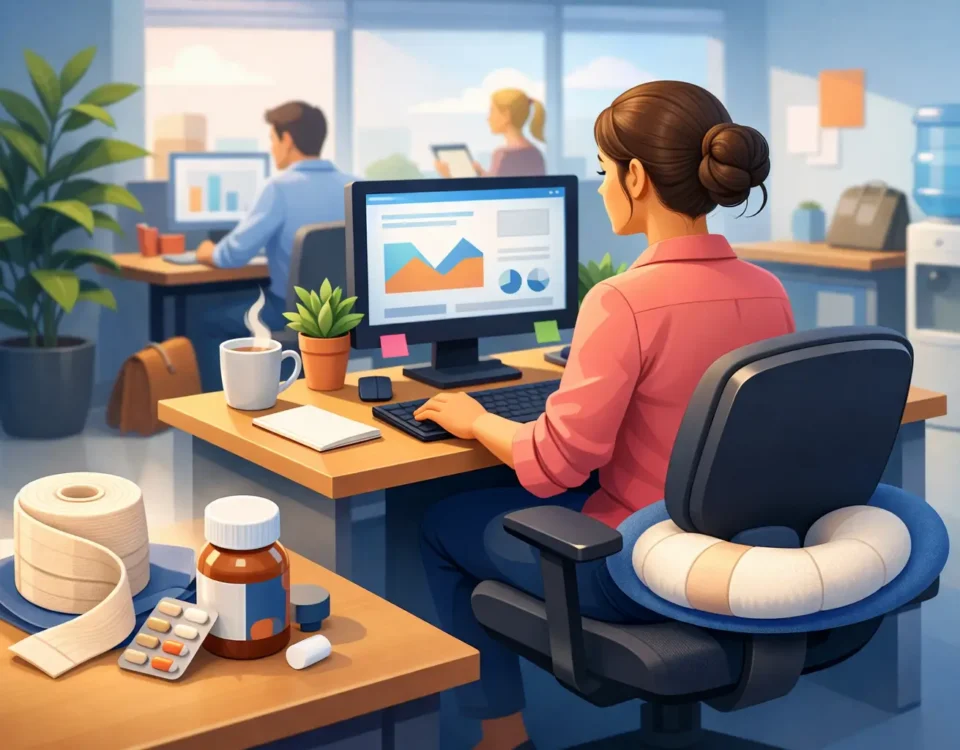
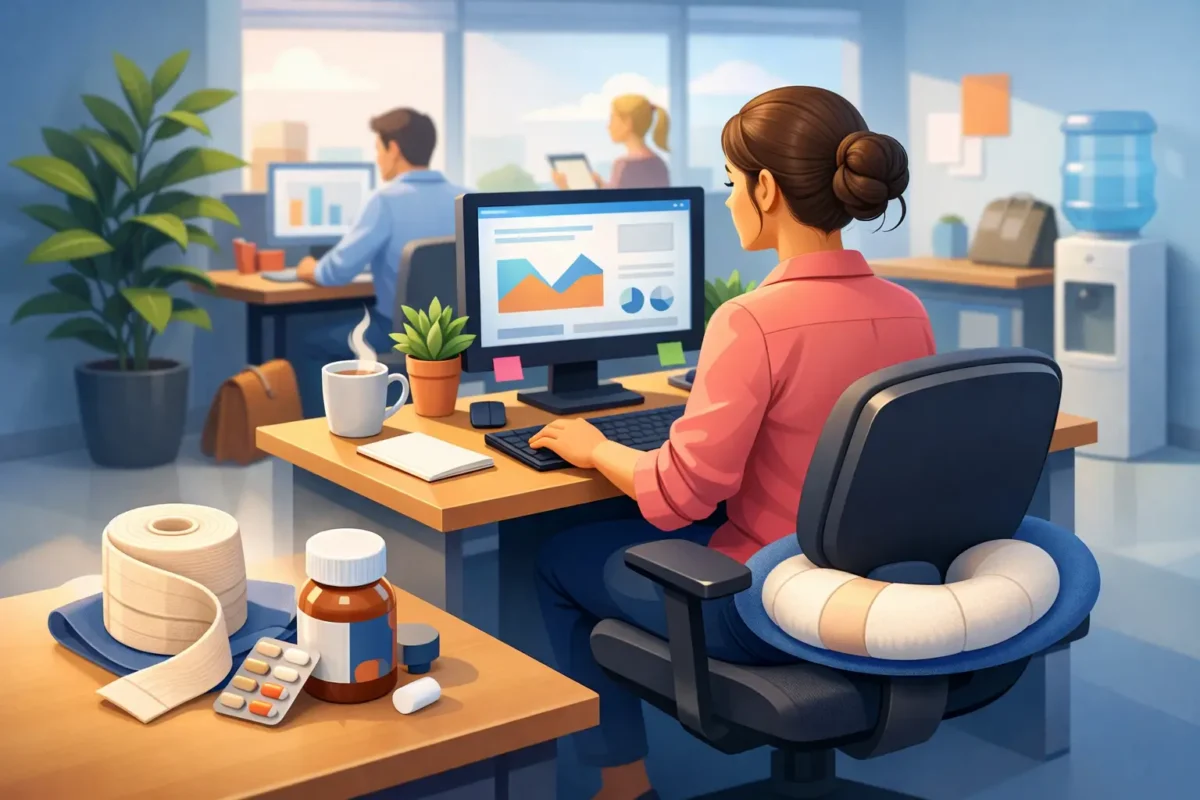
Pain relief is a practical concern, particularly for people balancing work, caregiving, and daily responsibilities. Warm baths and provider-recommended pain management can help, but severe or persistent pain should not be something you simply try to endure. Prompt treatment can prevent a short-term fissure from becoming a longer, more frustrating problem.
Cuándo consultar a un especialista
Rectal bleeding should not be self-diagnosed. Bright red blood may come from a fissure or hemorrhoid, but it can also have other causes. A clinical evaluation is the fastest way to confirm what is happening and choose the right treatment.
Schedule an appointment if pain is severe, symptoms have lasted more than a few weeks, bleeding continues, or over-the-counter remedies have not helped. You should also seek prompt care for a painful lump, drainage, fever, worsening swelling, or pain that is constant rather than mainly related to bowel movements. These symptoms can point to a different condition that needs timely attention.
At Hemorrhoid Centers of America, patients can be evaluated by board-certified providers who focus on hemorrhoids and anal fissures. The goal is straightforward: identify the source of your symptoms and provide effective, non-surgical care whenever appropriate, without a hospital-style recovery or unnecessary disruption to your routine.
Will You Ever Need Surgery for an Anal Fissure?
Surgery is generally considered only when a fissure remains chronic despite appropriate conservative and medical treatment, or when symptoms are severe and recurrent. For some patients, surgery can be effective, but it involves considerations that deserve a careful discussion, including recovery time and potential effects on bowel control.
That is why it should not be assumed to be the automatic answer. Many people improve with medication-based care and targeted non-surgical treatment. The key is seeking help early enough that the fissure has the best chance to heal before the pain-spasm cycle becomes entrenched.
You do not need to wait until symptoms interfere with every meal, meeting, workout, or car ride. A fissure may be a small tear, but the pain can have an outsized effect on daily life. Getting a clear diagnosis and a treatment plan designed around relief can help you move forward with confidence.