

Hemorrhoid Specialist for Recurring Flareups
July 24, 2026
Why Do Hemorrhoids Itch So Much? Causes and Relief
July 28, 2026
A small amount of rectal bleeding, persistent itching, or painful swelling can quickly become the thing that dictates your day. You may plan errands around bathroom access, avoid sitting through meetings, or keep trying creams that provide only brief relief. Effective hemorrhoid treatment starts with a clear diagnosis and a plan that addresses the hemorrhoid itself, not just the symptoms around it.
Hemorrhoids are common, but living with ongoing discomfort is not something you have to accept. Many people delay care because the symptoms feel embarrassing to discuss or because they assume treatment means surgery and a long recovery. For many patients, that is not the case. Office-based, non-surgical options can provide meaningful relief with minimal disruption to work, family, and normal daily routines.
When hemorrhoid symptoms need medical attention
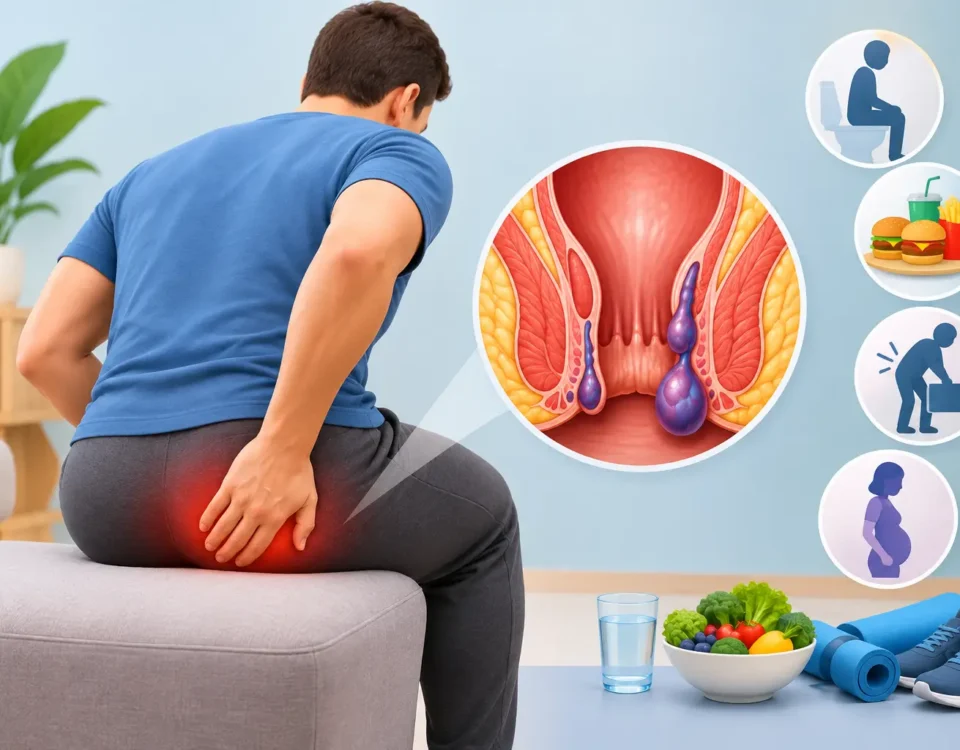
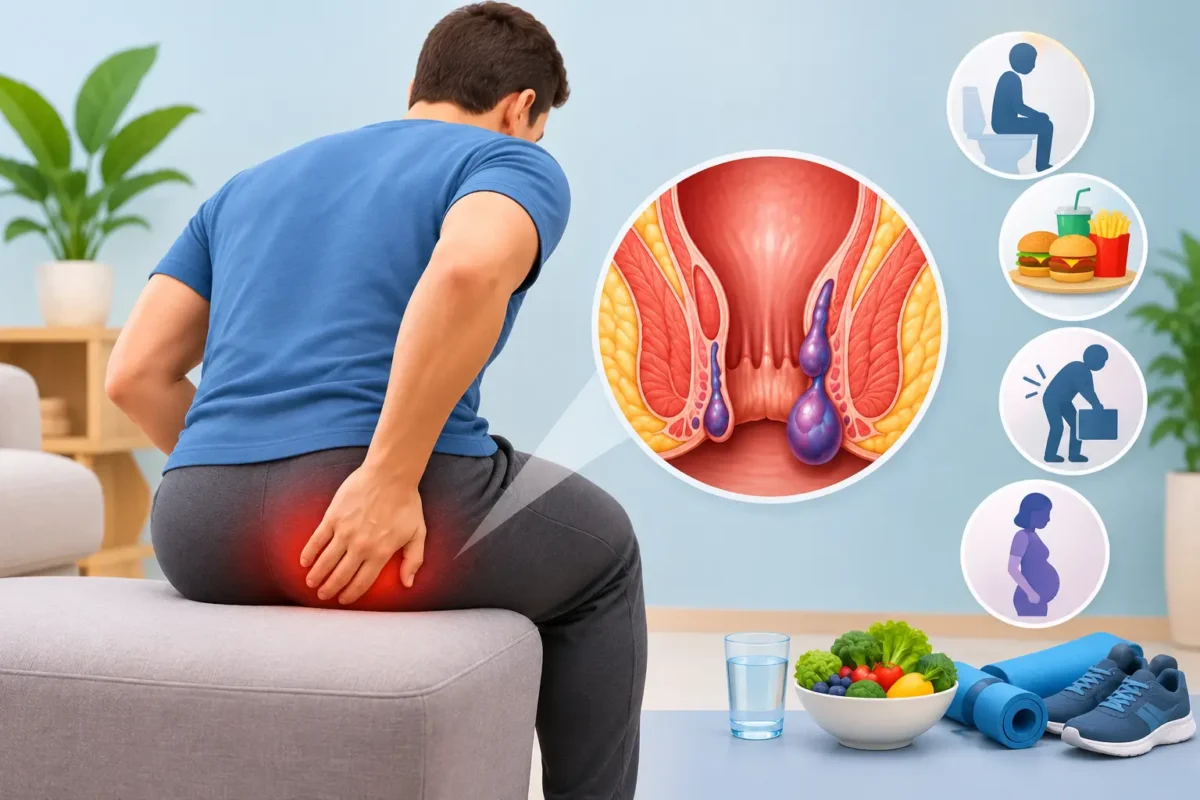
Hemorrhoids are swollen veins in and around the rectum and anus. Internal hemorrhoids occur inside the rectum and often cause bright red bleeding with bowel movements. External hemorrhoids develop under the skin around the anus and may cause tenderness, itching, swelling, or a noticeable lump. A clot can form in an external hemorrhoid, creating a thrombosed hemorrhoid that may cause sudden, significant pain.
Symptoms can overlap with anal fissures, skin irritation, infections, inflammatory bowel disease, and conditions that require different care. An anal fissure is a small tear in the anal lining and often causes sharp, cutting pain during or after a bowel movement. What feels like “just hemorrhoids” is not always hemorrhoids.
That is why rectal bleeding deserves an evaluation, especially when it is new, recurrent, heavy, or accompanied by changes in bowel habits, abdominal pain, unexplained weight loss, dizziness, or fatigue. Seek urgent medical attention for heavy bleeding, fainting, severe weakness, black or tarry stool, fever, or severe pain that is rapidly worsening.
Hemorrhoid treatment begins with the right diagnosis
A focused evaluation is usually straightforward. A specialized provider reviews your symptoms and medical history, performs an examination, and may use a small instrument to look inside the anal canal when appropriate. The goal is not simply to confirm hemorrhoids. It is to identify the type, location, and severity of the problem so treatment can match what is actually causing your symptoms.
That distinction matters. Internal hemorrhoids that bleed or protrude may respond very well to office-based banding. A painful fissure may need a custom medication protocol designed to relax the muscle and support healing. A thrombosed external hemorrhoid can require a different conversation based on timing and the intensity of pain. The best option depends on your anatomy, symptoms, health history, and prior treatments.
A provider should also ask about constipation, straining, prolonged time on the toilet, pregnancy history, medications, and bowel changes. These factors can contribute to hemorrhoids and can affect how well treatment works over time.
Non-surgical options can offer prompt relief
For patients with internal hemorrhoids, rubber band ligation, often called hemorrhoid banding, is one of the most common office-based treatments. During the procedure, a small band is placed at the base of the internal hemorrhoid, above the area with pain-sensitive nerves. The band reduces blood flow to the hemorrhoid, allowing it to shrink and eventually fall away.
Banding is not traditional surgery. It generally does not require anesthesia, hospital admission, or a lengthy recovery. Many patients return to usual activities the same day, although providers may recommend avoiding heavy lifting or strenuous exercise briefly. Some people need more than one treatment session, particularly when multiple hemorrhoids are present.
Patients may feel pressure, fullness, or mild cramping after banding. Significant pain is not expected and should be reported promptly. Light bleeding can occur several days after the procedure as the treated tissue separates. Your provider will explain what is normal, what requires a call, and how to manage recovery comfortably.
For symptoms related to an anal fissure or irritation around the anus, treatment may include prescription topical medication, stool-softening strategies, and changes that reduce friction and straining. These approaches are tailored to the condition. Using a hemorrhoid cream for every rectal symptom can delay the right diagnosis and may irritate sensitive skin when used too long.
What you can do before and after treatment
Lifestyle measures do not always eliminate established hemorrhoids, but they can reduce strain, support healing, and lower the chance of symptoms returning. The goal is simple: make bowel movements easier and avoid repeated pressure on the anal area.
Aim for soft, formed stools by gradually increasing fiber through food or a fiber supplement, drinking enough fluids, and staying physically active when you can. If constipation is persistent, ask a clinician about the safest approach for you rather than repeatedly relying on stimulant laxatives.
Avoid pushing or sitting on the toilet for long periods. If a bowel movement does not happen within a few minutes, get up and try again later. Responding when you feel the urge, rather than waiting, can also help prevent stool from becoming harder and more difficult to pass.
Warm sitz baths may ease soreness and help relax the area. Gentle cleaning with water or unscented products is preferable to aggressive wiping, fragranced wipes, or harsh soaps. Over-the-counter creams and suppositories may offer short-term symptom relief, but they are not a substitute for an evaluation when bleeding, pain, or swelling continues.
Why specialized care can make a difference
Hemorrhoid care is not one-size-fits-all. A general recommendation to “eat more fiber” may be useful, but it may not resolve frequent bleeding, prolapsing tissue, or pain that interferes with your ability to work and sit comfortably. Specialized care focuses on determining whether an office procedure, targeted medication, or another treatment pathway is most likely to help.
At Hemorrhoid Centers of America, board-certified surgeons focus on non-surgical treatment for hemorrhoids and anal fissures. This concentrated experience matters because the right procedure is only part of good care. Patients also need clear expectations, an efficient visit, and guidance that makes recovery manageable.
There are situations in which surgery is appropriate, such as certain severe, recurrent, or complex cases. But surgery should not be assumed to be the first answer. For many common internal hemorrhoids, office-based treatment can address the source of symptoms without anesthesia, a hospital stay, or weeks away from normal life.
Questions to ask at your appointment
A productive appointment should leave you with more than a diagnosis. Ask what condition is causing your symptoms, whether your bleeding needs additional evaluation, and which treatment options fit your specific type of hemorrhoid. It is also reasonable to ask how much discomfort to expect, whether you will need more than one visit, and when you can return to work, exercise, and other daily activities.
Be open about symptoms that feel difficult to mention. Details such as whether pain occurs during or after a bowel movement, whether blood is bright red, whether tissue protrudes, and how long symptoms have lasted can help guide care. Your provider has heard these concerns before. The purpose of the conversation is relief, not judgment.
You do not need to wait until symptoms become unbearable to seek help. When hemorrhoid symptoms keep interrupting your day, a prompt evaluation can replace uncertainty and temporary fixes with a treatment plan designed to help you get back to feeling comfortable.