

Fissure Ointment Reviews: What Actually Matters
October 22, 2026
A streak of bright red blood on toilet paper can be alarming, especially when it happens without much warning. Knowing how to identify hemorrhoid bleeding can help you respond calmly, but rectal bleeding should never be dismissed automatically. Hemorrhoids are a common cause, yet other conditions can produce similar symptoms and require a different kind of care.
Hemorrhoid bleeding is often treatable without traditional surgery. The first step is recognizing the pattern, understanding what may be causing it, and getting an accurate evaluation when symptoms persist or feel unusual.
What hemorrhoid bleeding usually looks like
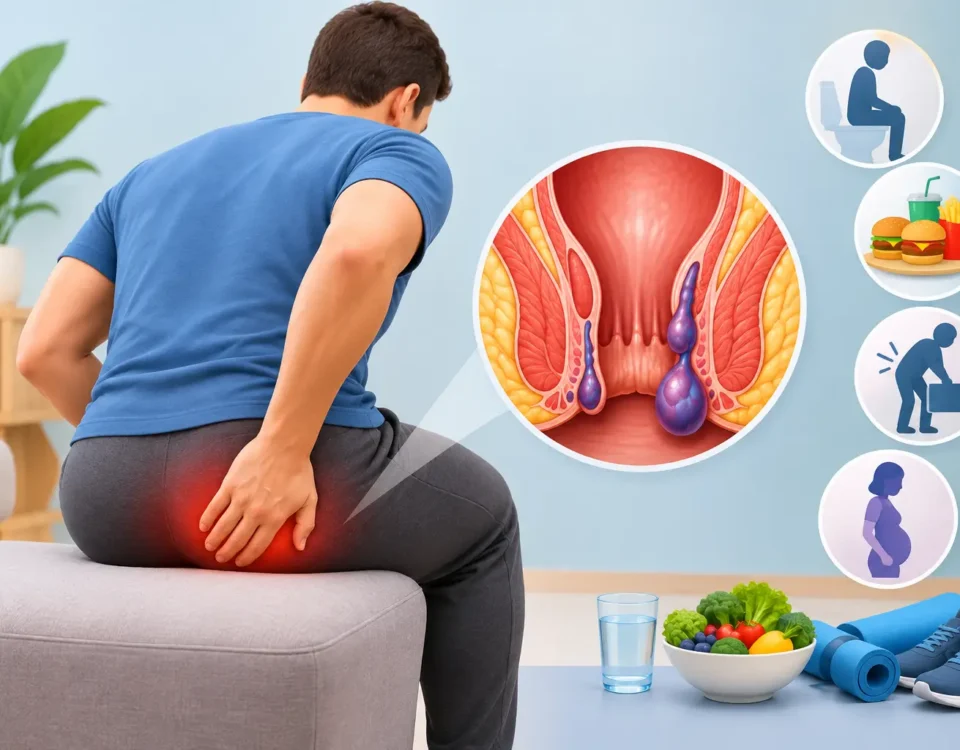
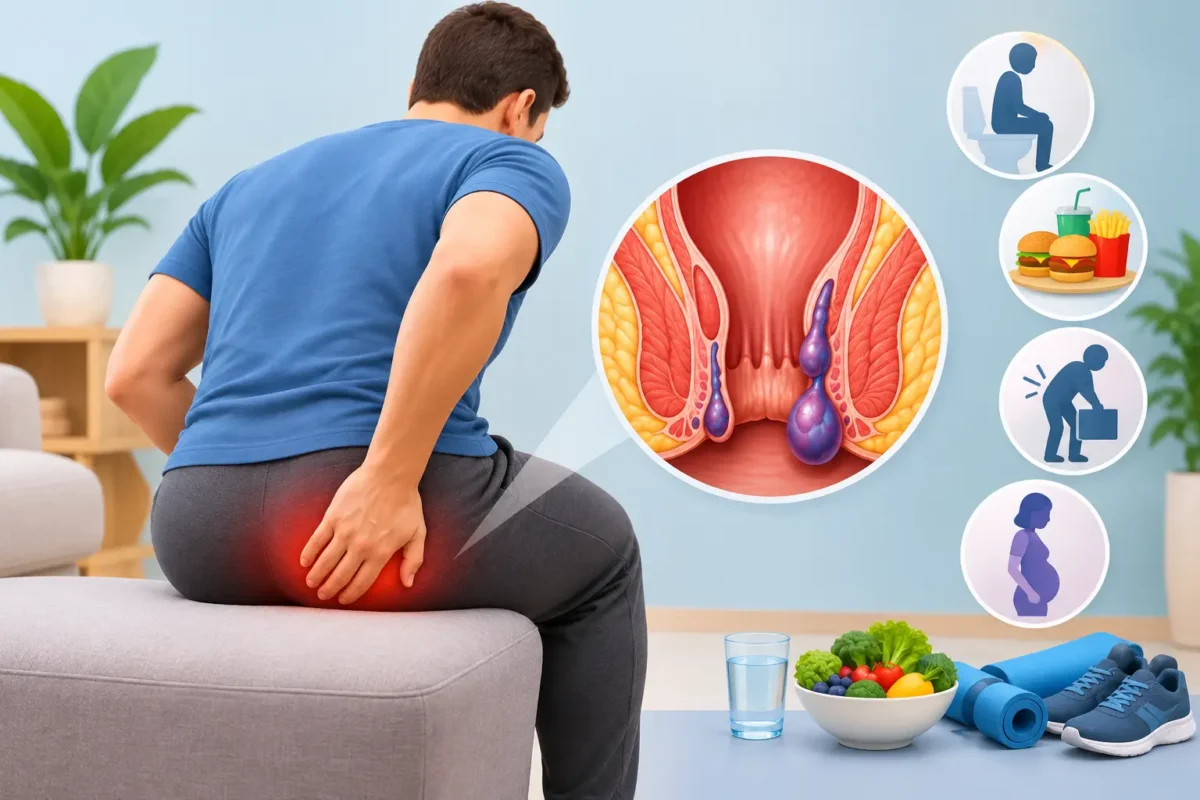
Hemorrhoids are swollen blood vessels in or around the anus and lower rectum. They can bleed when they become irritated, inflamed, or strained during a bowel movement. Bleeding may occur with internal hemorrhoids, which develop inside the rectum, or external hemorrhoids, which form under the skin around the anus.
The most common sign is bright red blood. You may see it on toilet paper after wiping, on the outside of the stool, or as a few drops in the toilet bowl. The amount can range from a small smear to a more noticeable amount of blood, particularly after constipation, straining, or a hard bowel movement.
Hemorrhoid bleeding often occurs during or shortly after a bowel movement. It may be intermittent, appearing for a few days and then stopping, only to return when irritation flares again. Internal hemorrhoids frequently bleed without significant pain because they are located above the area with the most pain-sensitive nerves.
External hemorrhoids can bleed too, but they are more likely to come with tenderness, itching, swelling, or a visible lump near the anus. If an external hemorrhoid develops a clot, called a thrombosed hemorrhoid, pain can be more intense and sudden.
How to identify hemorrhoid bleeding versus other bleeding
Color, timing, and associated symptoms can offer useful clues, but they cannot confirm a diagnosis on their own. Bright red blood linked to a bowel movement is more consistent with bleeding near the anus or lower rectum, including hemorrhoids. Dark red blood, black stool, or stool that looks tarry may point to bleeding higher in the digestive tract and needs prompt medical attention.
Hemorrhoid bleeding is commonly associated with itching, pressure, swelling, mucus, or the feeling that you still need to have a bowel movement after you have finished. Some people notice a soft bulge that protrudes during a bowel movement and then goes back in on its own. These symptoms can support the possibility of hemorrhoids, but they do not rule out other conditions.
An anal fissure, which is a small tear in the lining of the anus, can also cause bright red bleeding. The difference is often pain. A fissure typically causes sharp, cutting, or burning pain during a bowel movement that can continue afterward. Hemorrhoid bleeding is more often painless or accompanied by mild irritation rather than severe tearing pain.
Bleeding can also result from inflammation, infection, polyps, diverticular disease, colorectal cancer, or other gastrointestinal conditions. That is why self-diagnosing based on blood alone is risky, particularly if bleeding is new, recurrent, or changing.
Symptoms that make hemorrhoids more likely
Hemorrhoids become more likely when bleeding follows a recognizable pattern of pressure and irritation. Constipation, prolonged sitting on the toilet, heavy lifting, pregnancy, obesity, chronic diarrhea, and low-fiber eating habits can all increase pressure on the veins in the rectal area.
You may be dealing with hemorrhoids if bright red bleeding occurs along with one or more of the following:
- Itching, irritation, or moisture around the anus
- A swollen or tender lump near the anal opening
- Discomfort during sitting or bowel movements
- A sensation of rectal fullness or pressure
- Bleeding after straining, passing hard stool, or spending a long time on the toilet
These signs are useful indicators, not a final diagnosis. A focused examination by an experienced provider is the most reliable way to determine whether hemorrhoids are causing the bleeding.
When rectal bleeding needs prompt care
Even when hemorrhoids are likely, recurrent rectal bleeding deserves medical attention. It is especially wise to schedule an evaluation if bleeding lasts more than a few days, returns repeatedly, or does not improve after you address constipation and straining.
Seek urgent medical care if bleeding is heavy, continuous, or accompanied by dizziness, weakness, fainting, shortness of breath, or a rapid heartbeat. Emergency evaluation is also appropriate for black or tarry stool, maroon-colored blood, severe abdominal pain, fever, or vomiting blood.
You should also avoid assuming hemorrhoids are the cause if you have unexplained weight loss, a persistent change in bowel habits, narrow stools, abdominal pain, fatigue, or a personal or family history of colorectal cancer, polyps, or inflammatory bowel disease. Age and screening history matter as well. A provider may recommend colon cancer screening or additional testing based on your symptoms and risk factors.
There is no benefit to waiting out ongoing bleeding because of embarrassment. Rectal symptoms are common, and specialized care is designed to address them discreetly and efficiently.
What happens during an evaluation
A hemorrhoid evaluation is usually straightforward. Your provider will ask about the color and amount of bleeding, bowel habits, pain, itching, medications, and any relevant medical or family history. Blood thinners, aspirin, anti-inflammatory medications, and some supplements can increase bleeding, so share everything you take.
The exam may include a visual inspection of the area, a gentle rectal examination, and, when appropriate, an anoscopy. Anoscopy uses a short, lighted instrument to view the lower rectum and identify internal hemorrhoids or other local causes of bleeding. This helps move the conversation from guesswork to a clear treatment plan.
Depending on your age, symptoms, and screening history, your provider may advise additional evaluation. That does not mean something serious has been found. It means the cause of bleeding should be established carefully rather than assumed.
Relief starts with treating the cause
For mild symptoms, improving stool consistency can reduce irritation. Drinking enough water, gradually increasing dietary fiber, avoiding prolonged toilet sitting, and not straining can make bowel movements easier. Warm baths and short-term topical treatments may relieve discomfort for some people, but they do not always resolve an enlarged or repeatedly bleeding hemorrhoid.
If bleeding continues, office-based treatment may provide more dependable relief. Internal hemorrhoids can often be treated with non-surgical options such as hemorrhoid banding, a procedure that targets the hemorrhoid without traditional surgery or a hospital stay. The right option depends on the hemorrhoid type, severity, and whether another condition, such as an anal fissure, is also contributing to symptoms.
At Hemorrhoid Centers of America, board-certified providers focus specifically on diagnosing and treating hemorrhoids and anal fissures with non-surgical care designed to minimize disruption to your day. Many patients can return to normal activities the same day, though your provider will give guidance based on your treatment and symptoms.
Do not let uncertainty keep you uncomfortable
A small amount of bright red blood may be caused by hemorrhoids, especially when it appears after straining and comes with itching, swelling, or pressure. Still, bleeding is a symptom, not a diagnosis. A timely evaluation can provide reassurance when hemorrhoids are the cause and identify the right next step when they are not.
If bleeding has returned, changed, or begun to interfere with your daily life, getting answers now can spare you more discomfort later and put effective relief within reach.