

Top Signs You Need Hemorrhoid Treatment
June 4, 2026
Best Ways to Relieve Anal Itching
June 8, 2026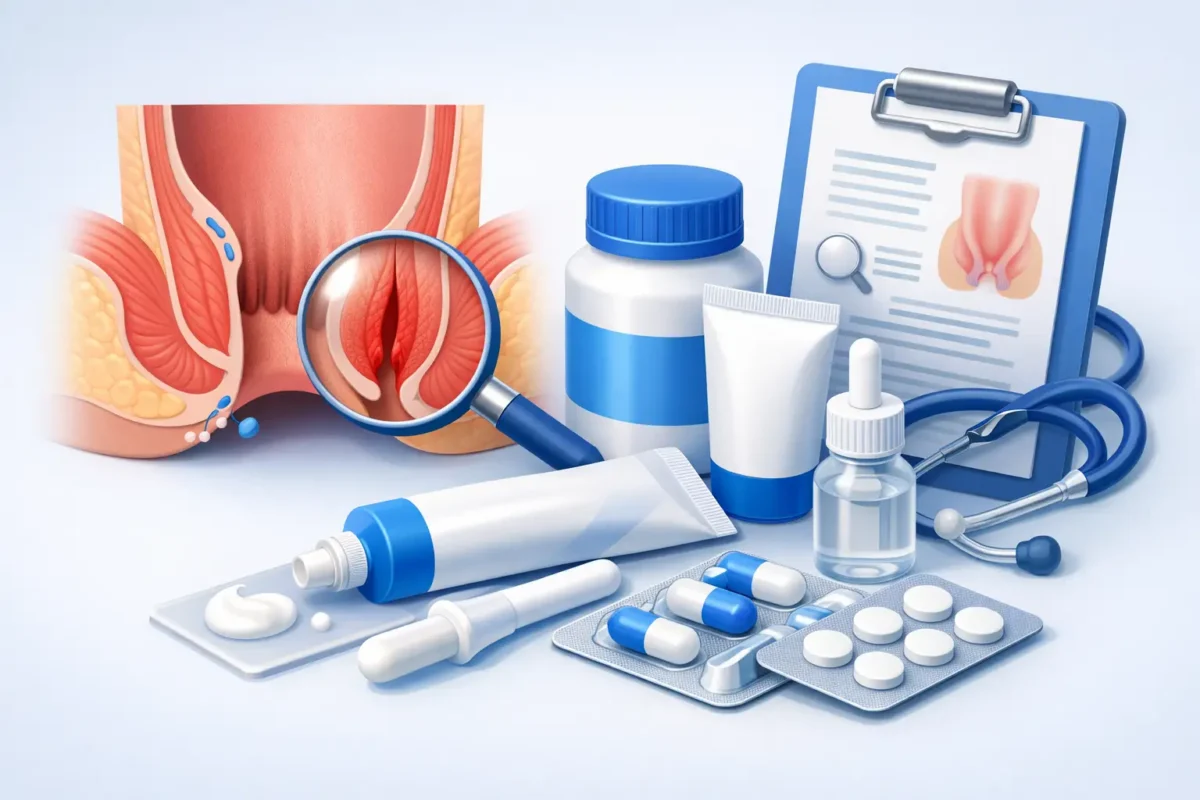
If you are searching for prescription treatment for anal fissure, chances are the pain has already gone beyond a minor annoyance. Many people wait, hoping the tear will heal on its own. But when bowel movements stay painful, bleeding continues, or the area feels tight and irritated day after day, prescription care can make a real difference.
An anal fissure is a small tear in the lining of the anal canal. Small does not mean mild. These tears can cause sharp pain during and after a bowel movement, streaks of bright red blood, burning, and a cycle of muscle spasm that keeps the fissure from healing. That cycle is one of the main reasons over-the-counter products do not always work.
When prescription treatment for anal fissure makes sense
Some fissures improve with early conservative care such as softer stools, better hydration, and warm baths. Others do not. If symptoms have lasted more than a few weeks, if pain is severe, or if the fissure keeps coming back, a prescription approach is often the next step.
This matters because chronic fissures behave differently than new ones. The internal anal sphincter can become overly tight, reducing blood flow to the area. When that happens, the tear may not heal even if you are doing many of the right things at home. Prescription medications are often used to relax that muscle, improve blood flow, and give the tissue a better chance to recover.
Patients often come in after trying creams from the pharmacy, fiber supplements, and diet changes without enough relief. That does not mean you have failed treatment. It usually means the fissure needs a more targeted plan.
What doctors prescribe for anal fissures
The right medication depends on whether the fissure is acute or chronic, how severe the pain is, and whether you have other medical conditions. In most cases, treatment is designed to do two things at once – lower pressure in the anal canal and make bowel movements less traumatic.
Topical prescription muscle-relaxing medications
These are among the most common prescription options for chronic anal fissures. They are applied directly to the area and work by relaxing the internal anal sphincter.
Nitroglycerin ointment is a well-known option. By helping blood vessels relax, it can improve blood flow and support healing. It can be effective, but headaches are a common side effect. For some patients, that trade-off is manageable. For others, it becomes the reason to switch to another treatment.
Topical calcium channel blocker medications, such as diltiazem or nifedipine, are also commonly used in fissure care. These may be compounded into an ointment or cream. They also help reduce sphincter spasm and are often better tolerated than nitroglycerin, especially for patients who develop headaches.
The exact instructions matter. Using too little, applying it inconsistently, or stopping as soon as symptoms improve can reduce the benefit. That is one reason specialist follow-up is helpful.
Prescription stool-softening support
Medication aimed at the fissure itself often works best when combined with bowel management. If stools remain hard or bowel movements involve repeated straining, the fissure can reopen even while it is trying to heal.
Doctors may recommend prescription or nonprescription stool-softening strategies, depending on the situation. Osmotic agents, fiber support, and hydration are often part of the plan. The goal is not diarrhea. The goal is soft, formed stools that pass with minimal strain.
This sounds simple, but it is a major part of recovery. Even an effective prescription cream cannot overcome repeated reinjury from constipation.
Pain control when symptoms are intense
Pain from an anal fissure can be severe enough to affect work, sleep, and normal routines. In some cases, a clinician may recommend additional medication to reduce discomfort while the fissure starts to heal. This may include topical anesthetic support or other symptom-focused treatment.
Pain relief alone is not the main therapy. It helps you function, but the underlying issue is usually sphincter spasm and poor healing conditions. That is why a treatment plan focused only on numbing the area often falls short.
How long prescription treatment takes to work
Most patients want to know one thing first – how soon will I feel better?
Relief can start within days, especially if spasm begins to ease and bowel movements become less painful. Full healing, however, usually takes longer. Acute fissures may improve faster than chronic ones. Chronic fissures can take several weeks of consistent treatment.
That timeline can feel frustrating, especially if symptoms have already been going on for a while. Still, improvement is often gradual rather than all at once. Less pain after bowel movements, less bleeding, and reduced tightness are signs the medication may be helping.
If there is little or no progress after an appropriate trial, the plan may need to change. Sometimes that means adjusting the prescription. Sometimes it means confirming the diagnosis. Not every source of rectal pain and bleeding is a fissure.
Why a specialist evaluation matters
Many anorectal conditions overlap. Hemorrhoids, fissures, inflammation, and other problems can produce similar symptoms. Bright red bleeding may come from a fissure, but it can also come from hemorrhoids. Pain with bowel movements strongly suggests a fissure, but the exact cause still needs to be assessed.
A specialist evaluation helps answer a few key questions. Is this truly a fissure? Is it acute or chronic? Is there ongoing muscle spasm? Are there signs that a medication-based approach is likely to work, or has the fissure reached the point where a procedure may be the better option?
That distinction matters because treatment should not drag on without a plan. Patients often feel relieved once they know there is a reason the problem has not healed and that there are non-surgical next steps available.
When prescription treatment for anal fissure is not enough
Prescription therapy is effective for many patients, but not all fissures respond fully to medication. If the fissure is chronic, has developed a sentinel skin tag, or keeps recurring despite proper treatment, a procedure may be recommended.
For patients trying to avoid traditional surgery, this is where focused specialty care can help. Some centers, including Hemorrhoid Centers of America, evaluate fissures with an emphasis on non-surgical and minimally invasive treatment pathways whenever appropriate. That matters for patients who want relief without hospital-based surgery, anesthesia, or a long recovery.
There is no one-size-fits-all answer here. A newer fissure in an otherwise healthy patient may respond well to prescription ointment and bowel management. A fissure that has been present for months may need a more advanced approach. The best treatment is the one that matches how long the fissure has been there, how severe the symptoms are, and how your body has responded so far.
Common concerns patients have about prescription care
One common worry is whether these medications are difficult to use. In most cases, they are straightforward, but they do require consistency. Another concern is side effects. Headaches with nitroglycerin are real and fairly common. Topical calcium channel blockers may be easier to tolerate, but every patient is different.
Patients also ask whether prescription treatment means they are heading toward surgery. Not necessarily. In fact, prescription management is often used specifically to help patients avoid surgery. The key is getting the right treatment early enough and following up if symptoms do not improve.
Embarrassment also delays care. That is understandable, but it often extends suffering unnecessarily. Anal fissures are common, and specialists treat them routinely. The sooner the source of pain is identified, the sooner a focused treatment plan can begin.
What to expect from a good treatment plan
Good fissure care is not just a prescription handed over at the end of a visit. It should include diagnosis, clear instructions, realistic healing expectations, and a plan if the first step does not work. You should know what medication you are using, how to apply it, what side effects to watch for, and when to check back in.
You should also know what supports healing at home. That includes avoiding straining, keeping stools soft, and reducing repeated irritation. These details matter because fissures tend to heal best when medical treatment and daily habits work together.
The encouraging part is that effective care is available, and many patients improve without traditional surgery. If pain, bleeding, and spasm have continued despite home treatment, getting evaluated is not overreacting. It is a practical next step toward feeling normal again.
You do not need to keep managing fissure pain in silence or on guesswork. The right prescription plan can be the turning point that finally allows the tear to heal and lets you get back to daily life with far less discomfort.