

Managing Painful Bowel Movements at Home
November 5, 2026
How to Stop Hemorrhoid Itching and Get Relief
November 9, 2026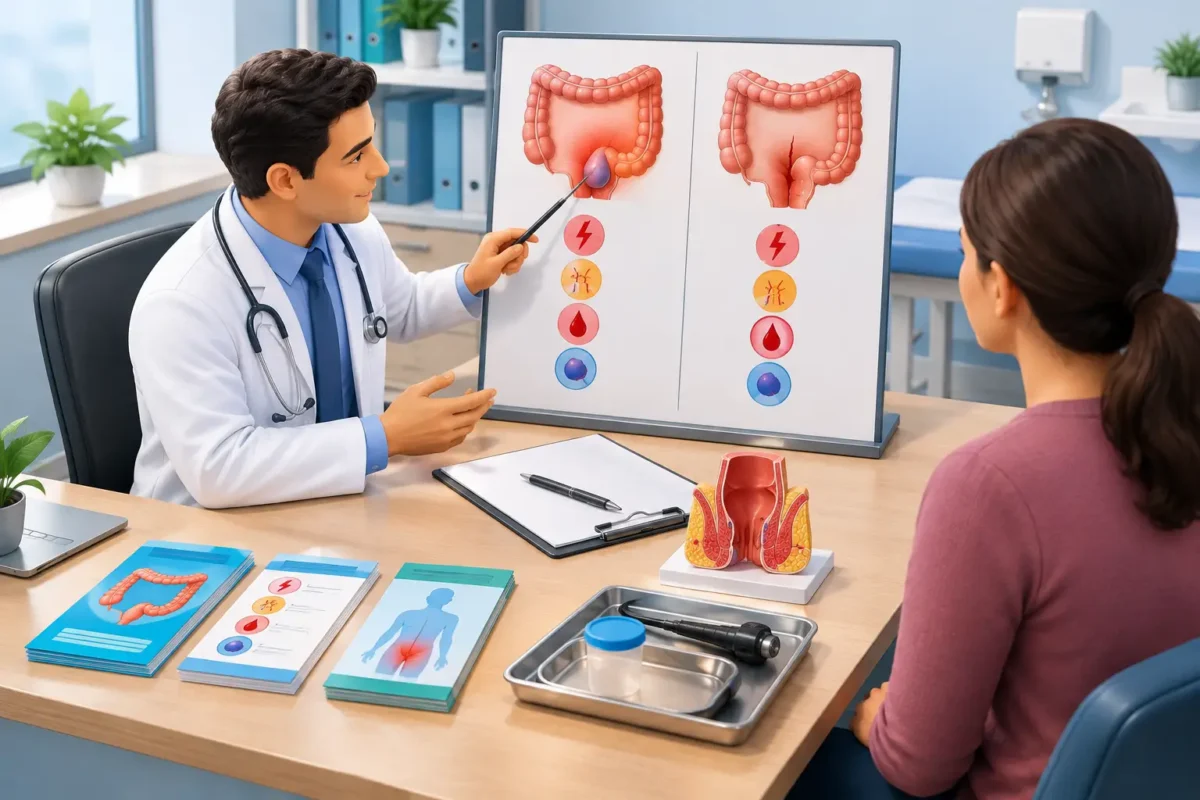
A sharp, cutting pain during a bowel movement can make an anal fissure feel impossible to ignore. Hemorrhoids, on the other hand, may cause itching, pressure, swelling, or painless bleeding that leaves you worried every time you use the bathroom. While fissure versus hemorrhoid symptoms can overlap, the pattern of discomfort often provides useful clues – and an experienced provider can identify the true cause quickly.
Both conditions are common, treatable, and nothing to be embarrassed about. The more useful question is not whether you can diagnose yourself perfectly. It is whether your symptoms are improving, disrupting your life, or signaling that you need an exam and targeted relief.
Fissure versus hemorrhoid symptoms: the key difference
An anal fissure is a small tear in the lining of the anal canal. It commonly develops after a hard or large bowel movement, ongoing constipation, diarrhea, or straining. Because the tear is exposed when stool passes through the anal canal, fissure pain is often intense and closely tied to bowel movements.
Hemorrhoids are swollen veins in or around the anus and lower rectum. Internal hemorrhoids are inside the rectum and may bleed without causing significant pain. External hemorrhoids form beneath the skin around the anus and can cause itching, tenderness, swelling, and discomfort. If a clot develops in an external hemorrhoid, known as a thrombosed hemorrhoid, pain and a firm lump may appear suddenly.
The simplest distinction is often this: fissures tend to cause a tearing or burning pain during and after a bowel movement, while hemorrhoids more often cause itching, fullness, swelling, or bright red blood. But symptoms are not always textbook. An external hemorrhoid can hurt, and a fissure can bleed. That is why an office evaluation is the most reliable way to get answers.
Symptoms more commonly linked to an anal fissure
Fissure pain is frequently described as sharp, glass-like, or burning. It may start as stool passes and continue for minutes or even hours afterward. Some people begin delaying bowel movements because they expect pain, which can lead to harder stools and a frustrating cycle of worsening symptoms.
A small amount of bright red blood on toilet paper or on the outside of stool can occur with a fissure. Unlike the sensation of pressure associated with hemorrhoids, a fissure often creates a very specific point of pain at the anal opening. Some patients also notice a small skin tag near a chronic fissure.
Muscle spasm is another reason fissures can be so persistent. Pain may cause the internal anal muscle to tighten, reducing blood flow to the area and making natural healing harder. This is one reason that simply waiting it out does not always work, especially when symptoms have lasted several weeks.
Symptoms more commonly linked to hemorrhoids
Hemorrhoid symptoms vary based on whether the hemorrhoid is internal or external. Internal hemorrhoids commonly cause bright red blood in the toilet bowl, on the tissue, or coating the stool. They may also create mucus, irritation, or a feeling that you still need to have a bowel movement.
An internal hemorrhoid can prolapse, meaning it bulges outside the anal opening during a bowel movement. It may go back in on its own, need to be gently pushed back, or remain outside. Prolapse can cause moisture, itching, irritation, and a bothersome sensation of tissue at the opening.
External hemorrhoids can feel like a tender bump near the anus. They may itch or ache, particularly after sitting for long periods, lifting, or straining. A thrombosed external hemorrhoid usually causes more sudden, severe pain and may look bluish or purple because of the clot beneath the skin.
Bleeding from hemorrhoids is often painless, particularly with internal hemorrhoids. That does not mean bleeding should be assumed to be hemorrhoids. Rectal bleeding has several possible causes, and a proper examination helps rule out conditions that need different care.
Why symptoms can be confusing
Constipation, straining, prolonged sitting, pregnancy, diarrhea, and frequent heavy lifting can contribute to both fissures and hemorrhoids. It is also possible to have both at the same time. A patient with hemorrhoid-related bleeding may develop a fissure after straining, then experience both itching and sharp pain.
Over-the-counter creams, wipes, and suppositories may temporarily reduce irritation, but they cannot confirm what is causing your symptoms. Some products can also irritate sensitive skin when used repeatedly. If pain, bleeding, or swelling keeps returning, it is reasonable to move beyond trial-and-error self-treatment.
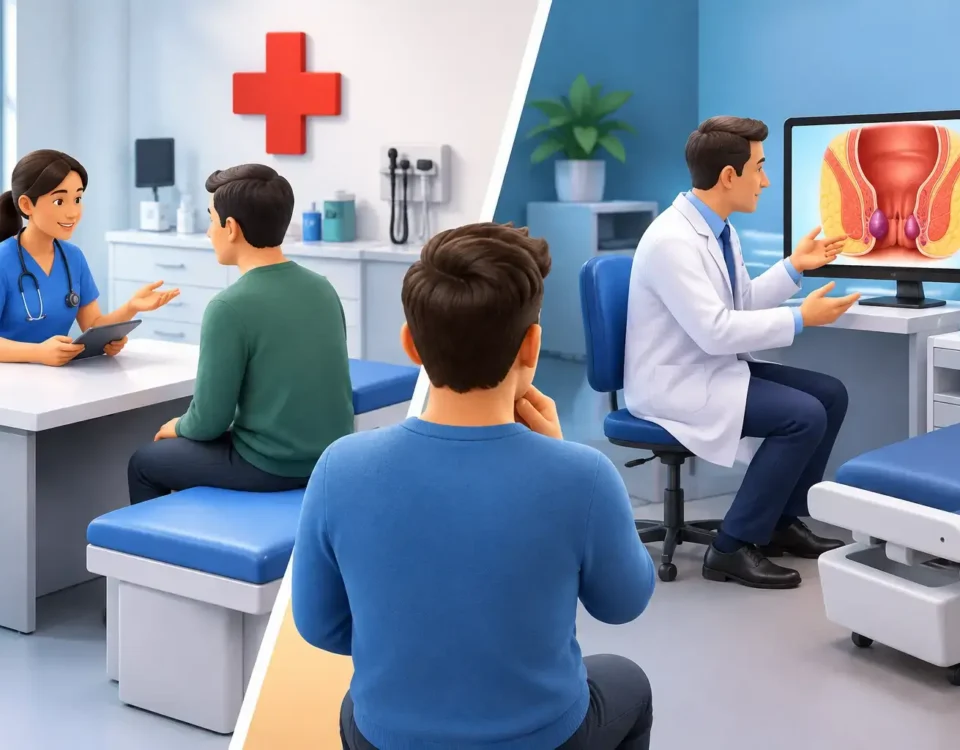
A focused anorectal exam is typically straightforward and private. Your provider reviews your symptoms, examines the area as needed, and determines whether the issue is a fissure, hemorrhoid, or another condition. That clarity matters because the right treatment pathway differs.
When to seek care promptly
Do not delay medical evaluation for bleeding that is heavy, recurrent, or accompanied by dizziness, weakness, black or maroon stools, fever, abdominal pain, or unexplained weight loss. These symptoms are not typical of a simple hemorrhoid or fissure and require prompt medical attention.
You should also schedule an evaluation if severe anal pain lasts more than a few days, if you feel a painful new lump, or if symptoms are not improving with basic measures such as hydration, fiber, and avoiding straining. Adults with new rectal bleeding, particularly those with a personal or family history of colorectal cancer, should not self-diagnose.
For many patients, the right time to seek care is sooner than they think. Persistent symptoms can affect work, sleep, exercise, travel, and confidence. Specialized treatment is designed to address that disruption without automatically sending you toward traditional surgery.
Treatment depends on the diagnosis
Fissures often respond to a treatment plan that softens stool, reduces straining, relaxes the anal muscle, and supports healing. This may include a custom medication protocol prescribed by a specialist. The exact approach depends on how long the fissure has been present, the severity of pain, and whether muscle spasm is preventing healing.
For internal hemorrhoids, office-based banding is a common nonsurgical option. During banding, a small band is placed at the base of the internal hemorrhoid to reduce its blood supply. The hemorrhoid shrinks over time. The procedure is typically quick, does not require general anesthesia, and allows many patients to return to normal activity the same day.
Not every hemorrhoid needs banding, and not every fissure needs a procedure. Small, short-lived symptoms may improve with conservative care. However, frequent bleeding, prolapse, chronic pain, or symptoms that repeatedly return deserve a more definitive plan. The goal is to treat the source of the problem, not just manage another uncomfortable week.
Preparing for a more comfortable recovery
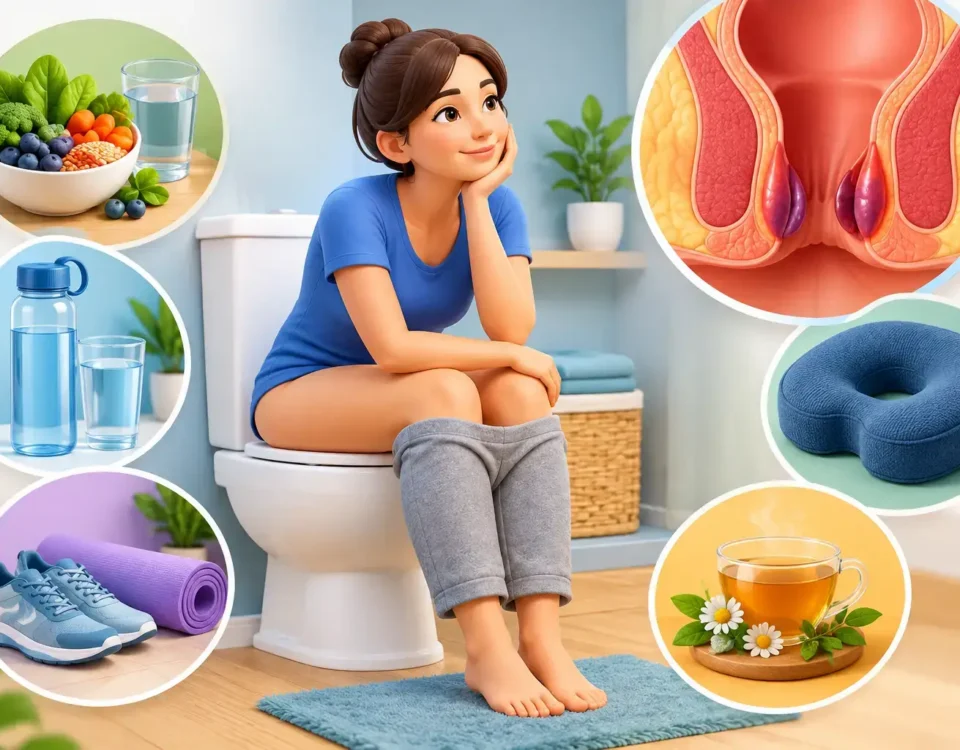
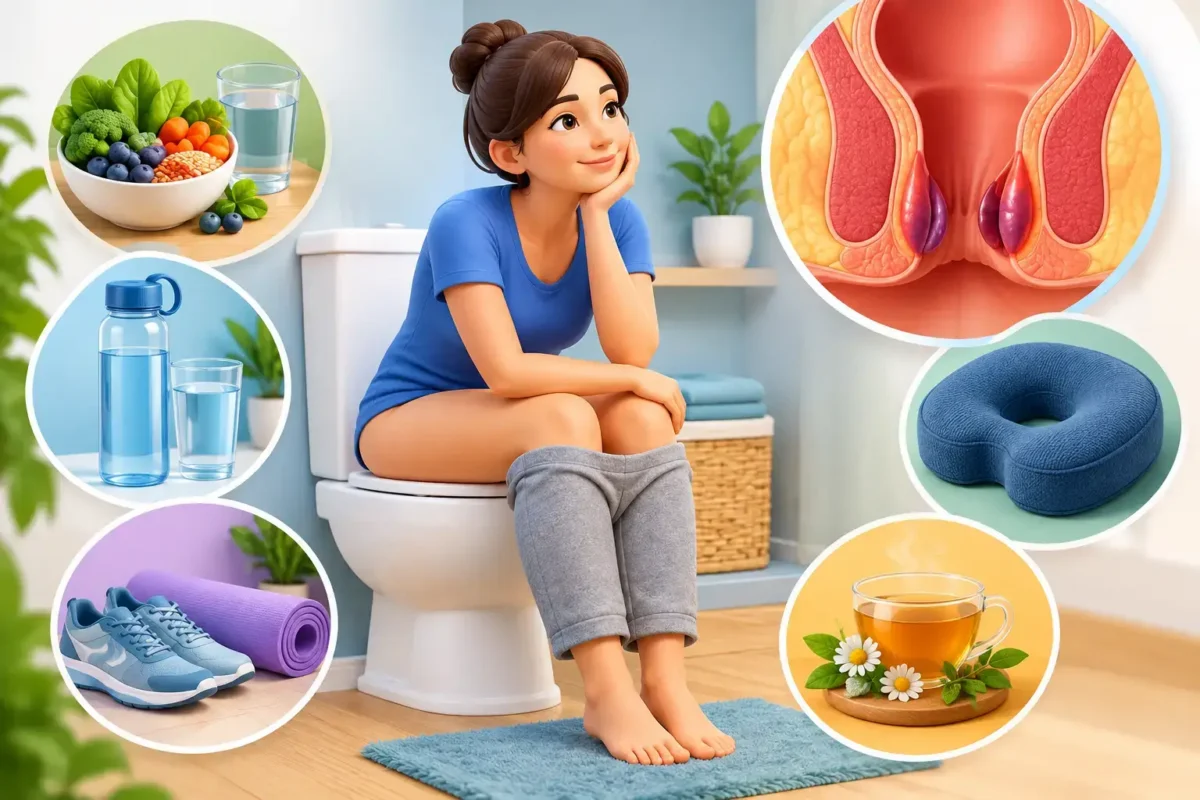
Whether you are treating a fissure or hemorrhoids, bowel habits matter. Aim for soft, formed stools by drinking adequate water, gradually increasing dietary fiber, and using a stool-softening approach if your clinician recommends one. Avoid extended time on the toilet and resist the urge to strain.
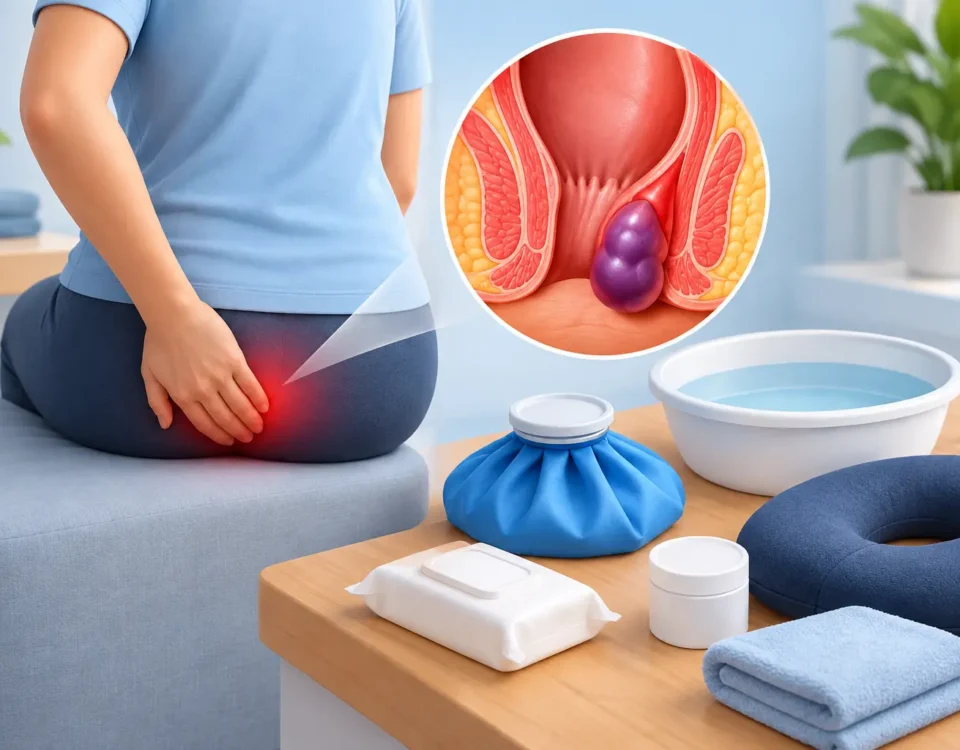
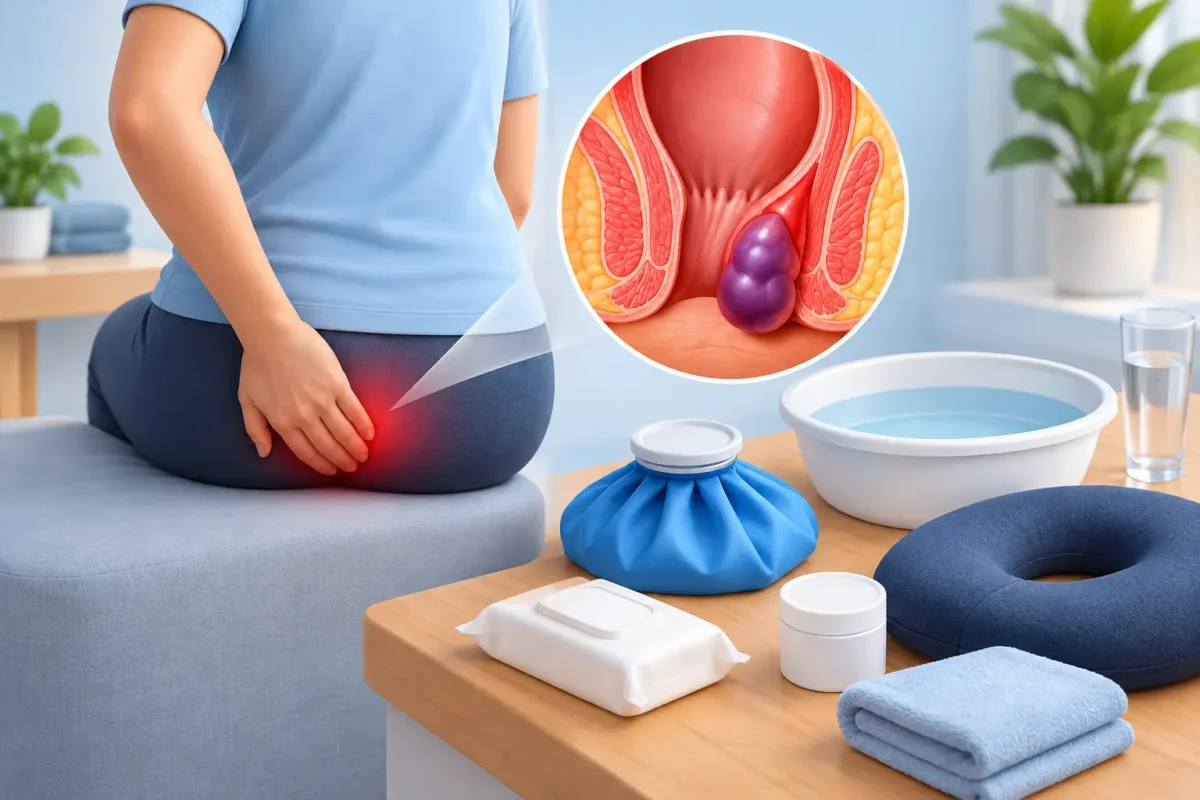
Warm baths can ease discomfort for some patients, especially after a bowel movement. Gentle cleaning with water or unscented paper is usually better tolerated than aggressive wiping or fragranced products. If sitting aggravates symptoms, short walks and regular position changes can reduce pressure.
Most importantly, do not let embarrassment turn a manageable condition into a chronic one. Hemorrhoid Centers of America provides focused evaluation and nonsurgical treatment options for patients who want clear answers and efficient care. A brief conversation with a qualified provider can replace uncertainty with a plan that helps you get back to feeling comfortable in your daily life.