
Hemorrhoid Pain Causes and Relief Options
November 3, 2026
Fissure Versus Hemorrhoid Symptoms Explained
November 7, 2026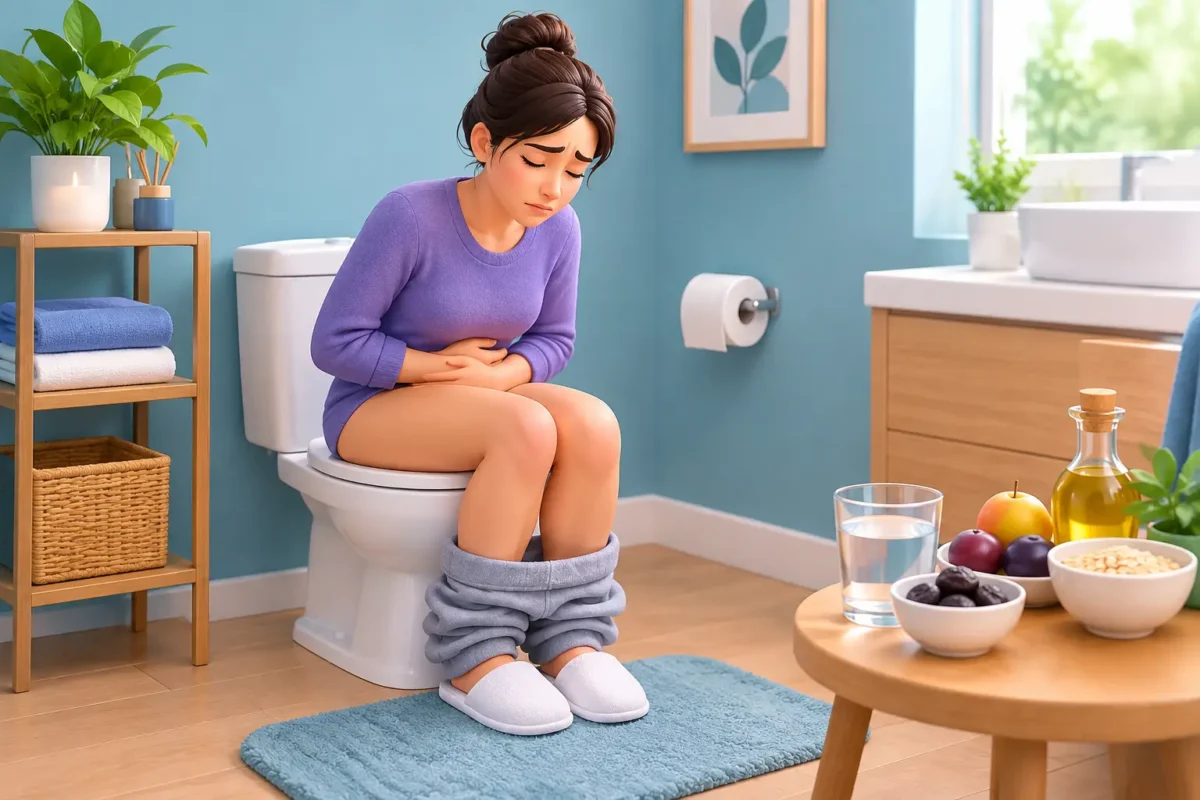
Pain during a bowel movement can make an ordinary part of the day feel stressful, urgent, and impossible to ignore. Managing painful bowel movements starts with reducing strain and identifying the likely cause, but persistent pain, bleeding, or a tearing sensation deserves focused medical attention. Hemorrhoids and anal fissures are common reasons for these symptoms, and both can often be treated without traditional surgery.
Why bowel movements may be painful
The location and type of pain can provide useful clues. A sharp, cutting, or burning pain during and after a bowel movement is often associated with an anal fissure. A fissure is a small tear in the lining of the anal canal, commonly caused by passing a hard or large stool. The pain may last minutes or hours afterward, and some people see a small amount of bright red blood on toilet paper.
Hemorrhoids can also cause pain, especially when an external hemorrhoid becomes swollen or develops a clot. Internal hemorrhoids more often cause painless bright red bleeding, itching, or a feeling of tissue protruding during a bowel movement. However, symptoms overlap, and not every case of rectal pain or bleeding is caused by hemorrhoids.
Constipation is a frequent driver of both conditions. Straining, sitting on the toilet for long periods, diarrhea, pregnancy, heavy lifting, and repeated irritation can all contribute. The immediate goal is to make stools easier to pass while avoiding habits that keep the area inflamed.
Managing painful bowel movements without more irritation
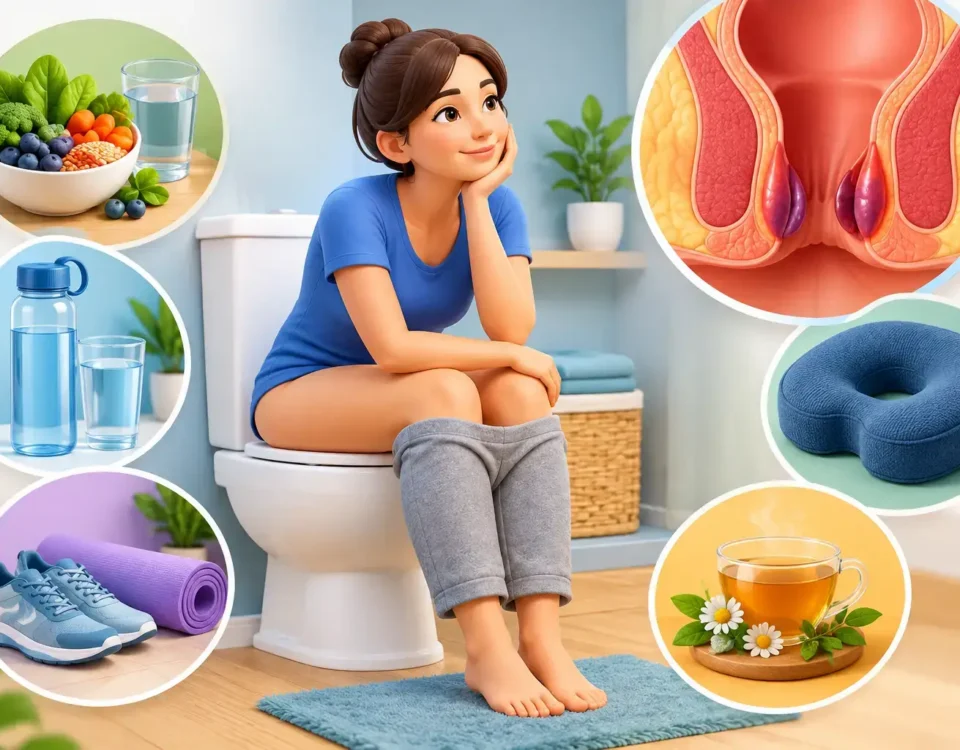
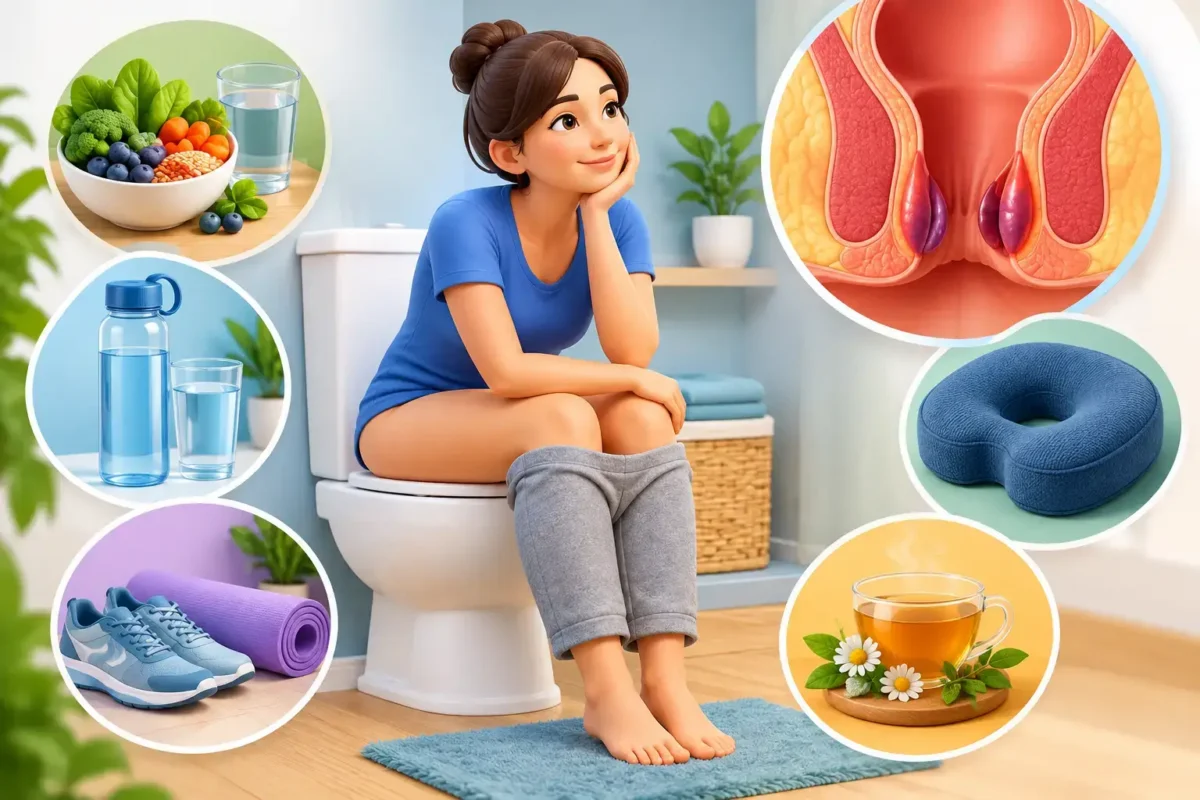
Trying to force a bowel movement usually makes the cycle worse. If the urge does not come naturally, get up, move around, drink water, and try again later rather than remaining on the toilet and straining. A footstool that raises the knees slightly above the hips can help some people find a more comfortable position.
Focus on keeping stools soft and formed. For many adults, gradually increasing dietary fiber through foods such as beans, vegetables, fruit, whole grains, or a fiber supplement can help create more regular bowel movements. Fiber works best with adequate fluids. Adding a large amount too quickly may cause gas, bloating, or cramping, so a gradual approach is more comfortable.
For short-term constipation, an over-the-counter stool softener or osmotic laxative may be appropriate for some people. The right choice depends on your health history, current medications, kidney function, and the reason for your symptoms. A pharmacist or clinician can help if you are unsure. Avoid relying regularly on stimulant laxatives unless a healthcare professional recommends them.
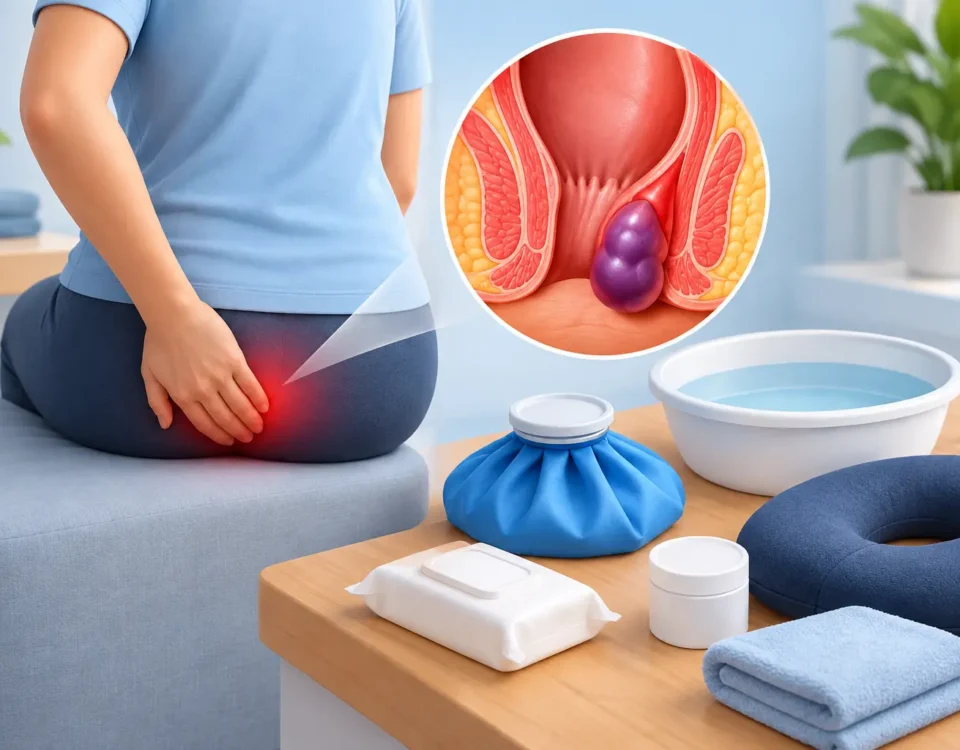
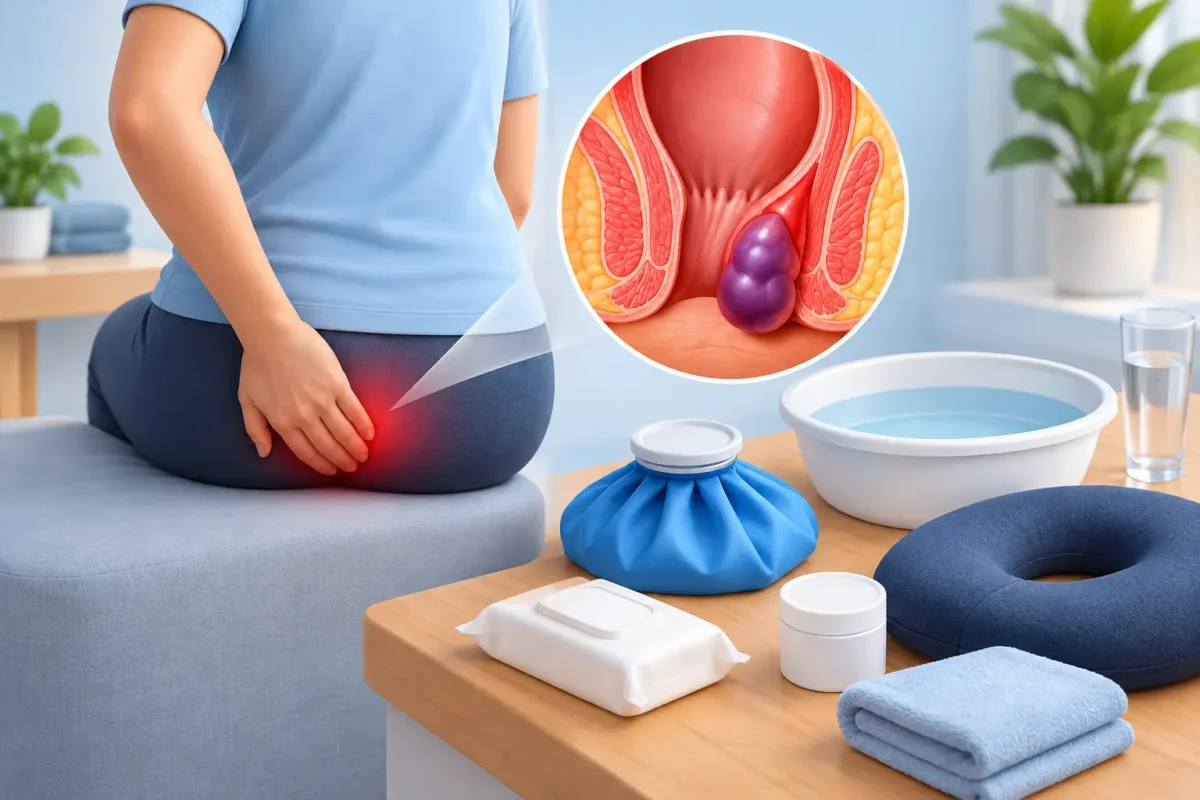
Warm water can ease muscle spasm and discomfort. A 10- to 15-minute sitz bath after a bowel movement or a warm bath can be soothing, particularly for fissure-related pain. Pat the area dry gently afterward. Aggressive wiping, fragranced wipes, and harsh soaps can irritate sensitive tissue. Plain water, soft unscented toilet paper, or a gentle rinse are usually better options.
Cold packs wrapped in a cloth may temporarily reduce swelling from an external hemorrhoid. Use brief intervals rather than placing ice directly on the skin. Over-the-counter creams or suppositories can provide short-lived symptom relief, but they do not resolve every underlying problem. Products containing hydrocortisone should generally be used only for a limited time unless a clinician directs otherwise, since prolonged use can thin and irritate the skin.
When a fissure or hemorrhoid needs more than home care
Home measures can help mild, recent symptoms, but they have limits. An anal fissure may persist because pain causes the internal anal muscle to tighten. That spasm reduces blood flow to the area and can make healing harder. In these cases, specialized prescription medication may help relax the muscle and support healing.
Hemorrhoids that repeatedly bleed, prolapse, itch, or interfere with daily life may also need treatment beyond creams and dietary changes. Patients often wait because they assume surgery is the only next step. It is not. Many internal hemorrhoids can be treated in an office setting with hemorrhoid banding, a procedure that places a small band at the base of the hemorrhoid to stop its blood supply. No traditional surgery or hospital stay is typically required.
The right treatment depends on the exact diagnosis, the severity of symptoms, and whether the problem is internal hemorrhoids, external hemorrhoids, a fissure, or another condition. A focused exam is the fastest way to stop guessing and choose a plan that addresses the source of the pain.
Signs you should seek prompt medical evaluation
Rectal bleeding should not automatically be assumed to be hemorrhoids, particularly if it is new, recurrent, heavy, or accompanied by changes in bowel habits. While small amounts of bright red blood can occur with hemorrhoids or fissures, a clinician should evaluate ongoing bleeding.
Seek urgent care for severe or worsening rectal pain, fever, drainage of pus, significant swelling, dizziness, fainting, black or tar-like stools, or heavy bleeding. These symptoms can point to problems that need immediate attention, such as an infection, abscess, or bleeding from higher in the digestive tract.
You should also schedule an evaluation if pain lasts longer than a few days despite conservative care, if bowel movements remain difficult, or if you notice unexplained weight loss, fatigue, abdominal pain, or a major change in stool caliber or frequency. Age, personal history, and family history of colorectal conditions may affect which tests are appropriate.
What to expect from specialized care
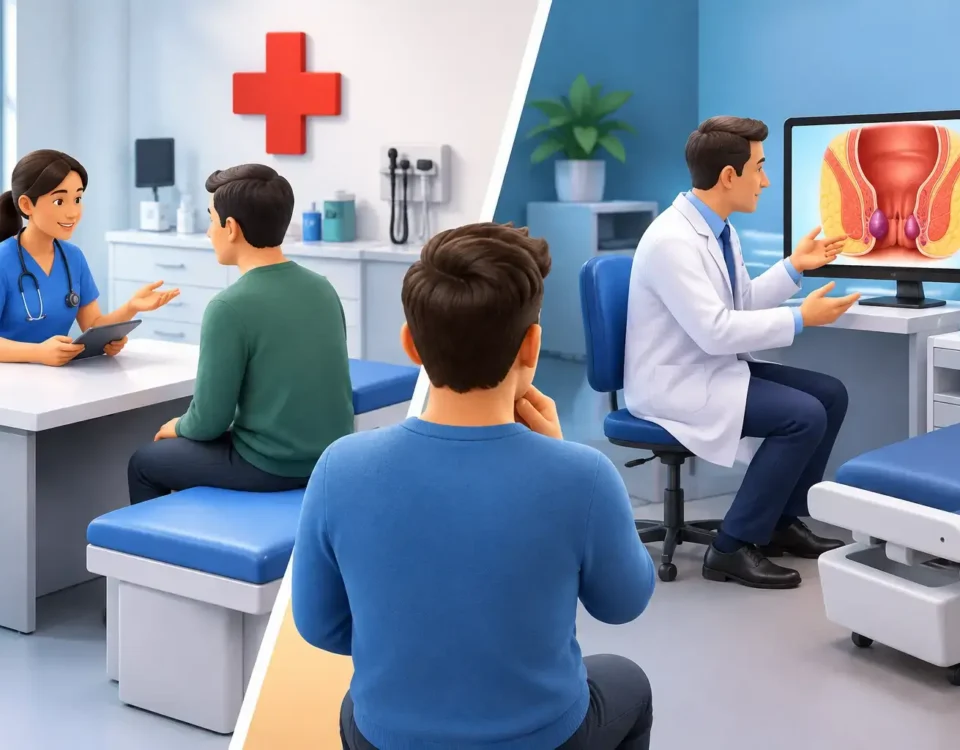
A specialized hemorrhoid and fissure evaluation is straightforward and private. The provider will ask about your pain, bleeding, bowel habits, medications, and prior treatments. A brief exam helps determine whether symptoms fit a fissure, hemorrhoids, or another anorectal condition.
For fissures, treatment may include a custom medication plan designed to reduce spasm and allow the tissue to heal. For hemorrhoids, office-based banding may be recommended when appropriate. The goal is to provide effective relief with minimal disruption to work, family responsibilities, and normal activity.
At Hemorrhoid Centers of America, board-certified surgeons focus specifically on non-surgical treatment pathways for hemorrhoids and anal fissures. Many patients can be evaluated and treated in an office-based setting, without anesthesia and without the extended recovery associated with traditional surgery. Your individual plan should always reflect your symptoms and exam findings.
Preventing the pain-straining cycle
Once symptoms improve, regular bowel habits remain the best protection against recurrence. Respond to the urge to have a bowel movement rather than delaying it for hours. Give yourself enough time, but avoid turning the toilet into a place to scroll or sit for long periods. Extended sitting increases pressure on hemorrhoidal tissue, especially when combined with straining.
A consistent routine of fiber, fluids, movement, and prompt attention to constipation can make a meaningful difference. If diarrhea is the issue, identify possible triggers and speak with a clinician if it lasts more than a few days or returns frequently. Loose stools can be just as irritating to fissures and hemorrhoids as hard stools.
Painful bowel movements are common, but they are not something you need to quietly manage indefinitely. A few days of gentle self-care may be enough for mild irritation. When pain, bleeding, or swelling continues, a focused evaluation can provide a clear answer and a practical path back to comfortable daily life.